

Product Vision: Defining Your Product's North Star
Define your product vision to align teams and drive success. Use our product vision statement tips and templates to build a better product roadmap today.



Table of Contents
Product Vision: The Foundational North Star for Growth
A product vision is the long-term, aspirational goal that serves as the "North Star" for your product's development and strategy. It defines the ultimate purpose of the product and the specific value it aims to deliver to its users in the future. By establishing a clear destination immediately, product leaders can align their teams, prioritize features effectively, and ensure every development effort contributes to a meaningful business outcome.
In the following sections, we will explore how to craft a compelling purpose for your product and implement frameworks that turn abstract ideas into reality. Whether you are launching a new MVP or scaling a global platform, having a documented product vision ensures your team moves with clarity and speed.
Defining a Strategic Product Vision Statement
The first step in aligning a cross-functional team is the creation of a powerful product vision statement. This short, punchy declaration focuses on the "why" behind your product, rather than the technical "how" or "what." A strong statement inspires the development team and provides stakeholders with a clear understanding of the product's ultimate value proposition.
Research indicates that the way a concept is framed significantly influences how it is perceived and adopted by users. You can explore this further in this study on the impact of a product vision and presentation on decision-making. When a team understands the transformation they are aiming for, day-to-day trade-offs become much easier to navigate.
In my experience leading product workshops, teams often struggle when they focus too much on features instead of the transformation the product enables. This is a concept famously championed by Stewart Butterfield, who argued that great companies sell the "better version of the user" rather than just the tool. This philosophy is essential for any product vision statement (opens in a new tab) that aims to truly resonate with a market.
Using a Product Vision Board and Template
To move from a high-level idea to a concrete plan, many product leaders utilize a product vision board. This visual framework helps teams collaborate on the target group, user needs, and business goals in one digestible format. It ensures that the core strategy stays visible and actionable throughout the entire product lifecycle.
A highly effective version of this tool is the product vision board created by Roman Pichler, which helps map out features and business value on a single page. By using these visual tools, you prevent the vision from becoming a forgotten sentence in a slide deck. Instead, it becomes a living document that guides every sprint and roadmap review.
If you are starting from a blank page, utilizing a structured product vision template can provide the necessary guardrails. A common format identifies the target customer, their specific pain points, and how your product provides a unique solution. This structured approach was instrumental when we were defining and planning validation for a scalable B2B MVP vision for Eventim, where using a product vision template allowed the stakeholders to reach a consensus on the MVP scope within days.
Real-World Product Vision Examples for Success
Reviewing successful product vision examples can provide a roadmap for your own branding and strategy efforts. For instance, Amazon’s vision to "be Earth’s most customer-centric company" provides a clear filter for every business decision they make across diverse sectors. These examples demonstrate that a vision must be broad enough to allow for innovation but specific enough to provide clear direction.
In our own consulting work at Product People, we have seen the power of a unified vision during complex international rollouts. For instance, Product People helped to expand DISH POS into four countries by maintaining a singular focus across diverse regional requirements. These product vision examples show how a shared goal keeps international teams focused on the same core user experience.
- Focus on the user: Always describe the world as it will be once the user has your product.
- Keep it simple: A vision should be easily understood by everyone, from engineering to marketing.
- Validate early: Use your vision to test assumptions before committing heavy resources.
FAQs
Conclusion
Establishing a clear product vision is the most vital step any product leader can take to ensure long-term viability. It transforms a list of technical requirements into a meaningful mission that motivates teams and attracts loyal customers. By leveraging tools like a board or a template, you ensure your vision is both aspirational and actionable.
Ultimately, your product vision is the foundation upon which your strategy and roadmap are built. Keep it simple, keep it bold, and revisit it often to ensure your product remains relevant in a changing market.
Would you like me to help you draft a specific vision statement based on your current product goals?

Interested in working with us?
Our Interim/Fractional Product Managers, Owners, and Leaders quickly fill gaps, scale your team, or lead key initiatives during transitions. We onboard swiftly, align teams, and deliver results.
Read More Posts
October 7, 2026
Monetized Products: What It Means and How to Plan Yours
A monetized product earns revenue from the value it delivers. Learn how to build a monetization strategy for software and apps, and which model fits.
October 5, 2026
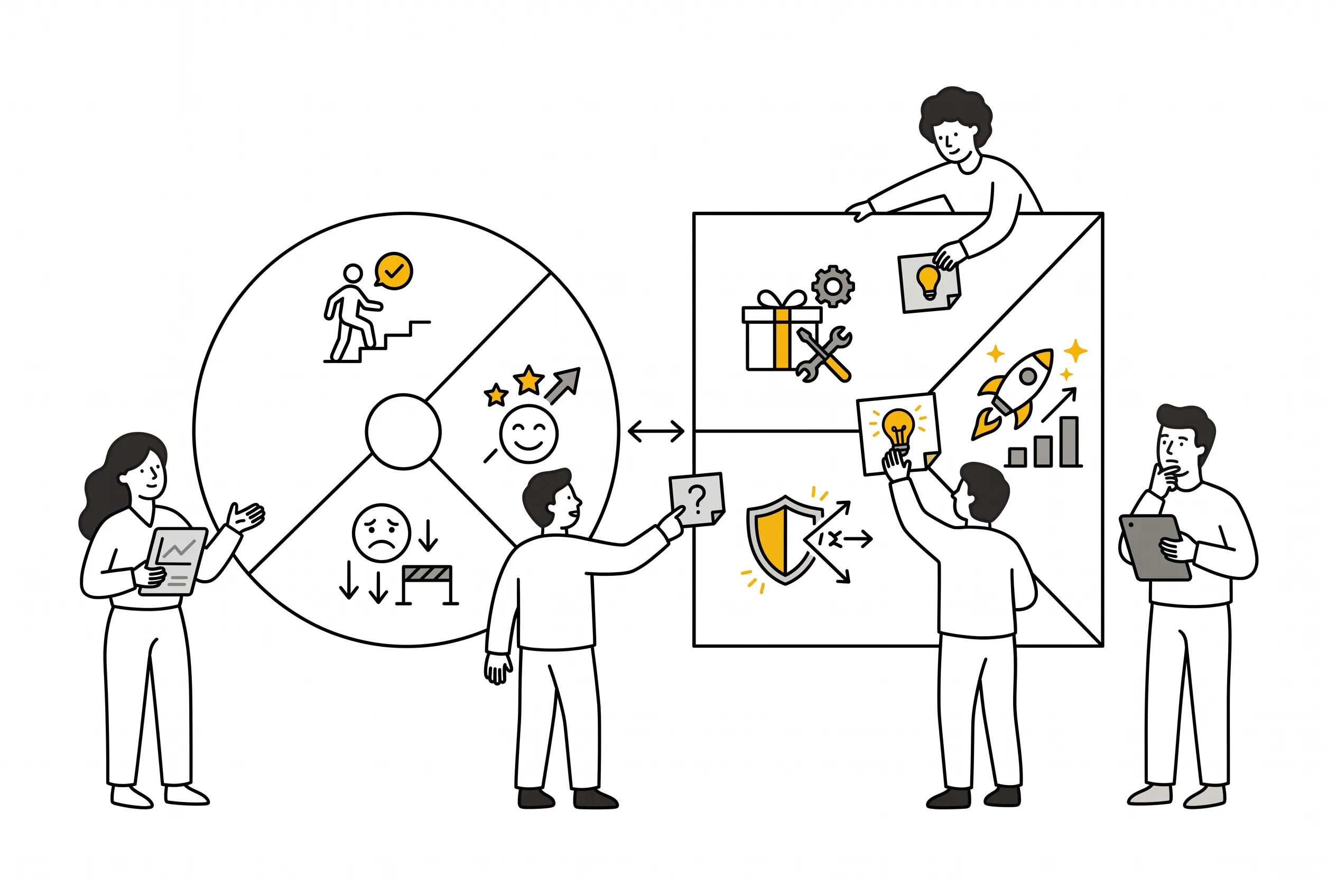
Value Proposition: What It Is and How to Write One That Sells
A value proposition tells a specific customer why your product beats their current option. Learn the meaning, canvas examples, and how to test yours.
October 1, 2026
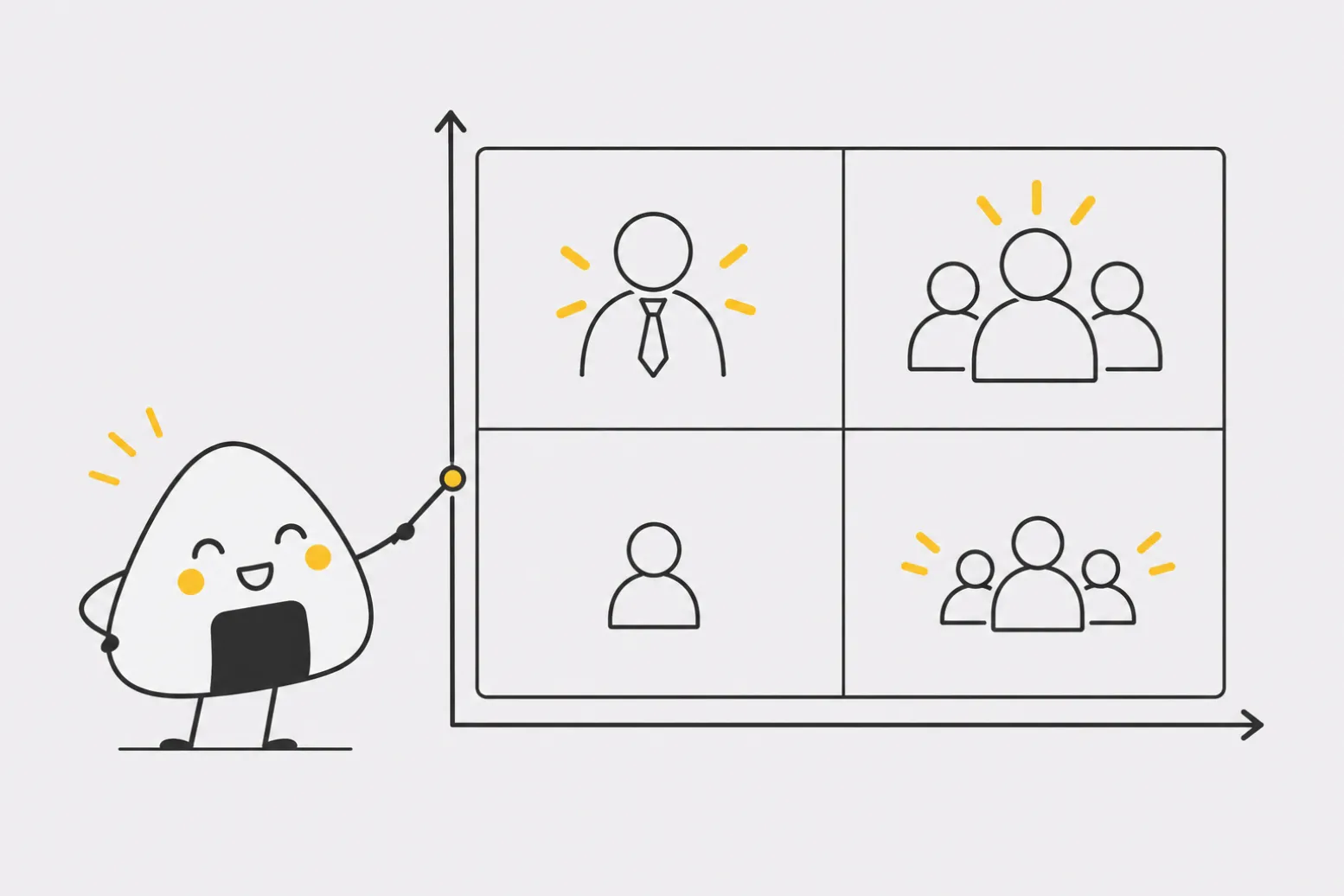
How to Map and Manage Stakeholders with Mendelow's Matrix
Mendelow's matrix sorts stakeholders by power and interest. Learn the four quadrants, see a worked product example, and avoid the common mapping mistakes.