

PLG Meaning: What Product-Led Growth Looks Like Today
PLG meaning explained: what is PLG, how PLG marketing works, and product-led growth strategy best practices to scale SaaS with self-serve adoption.


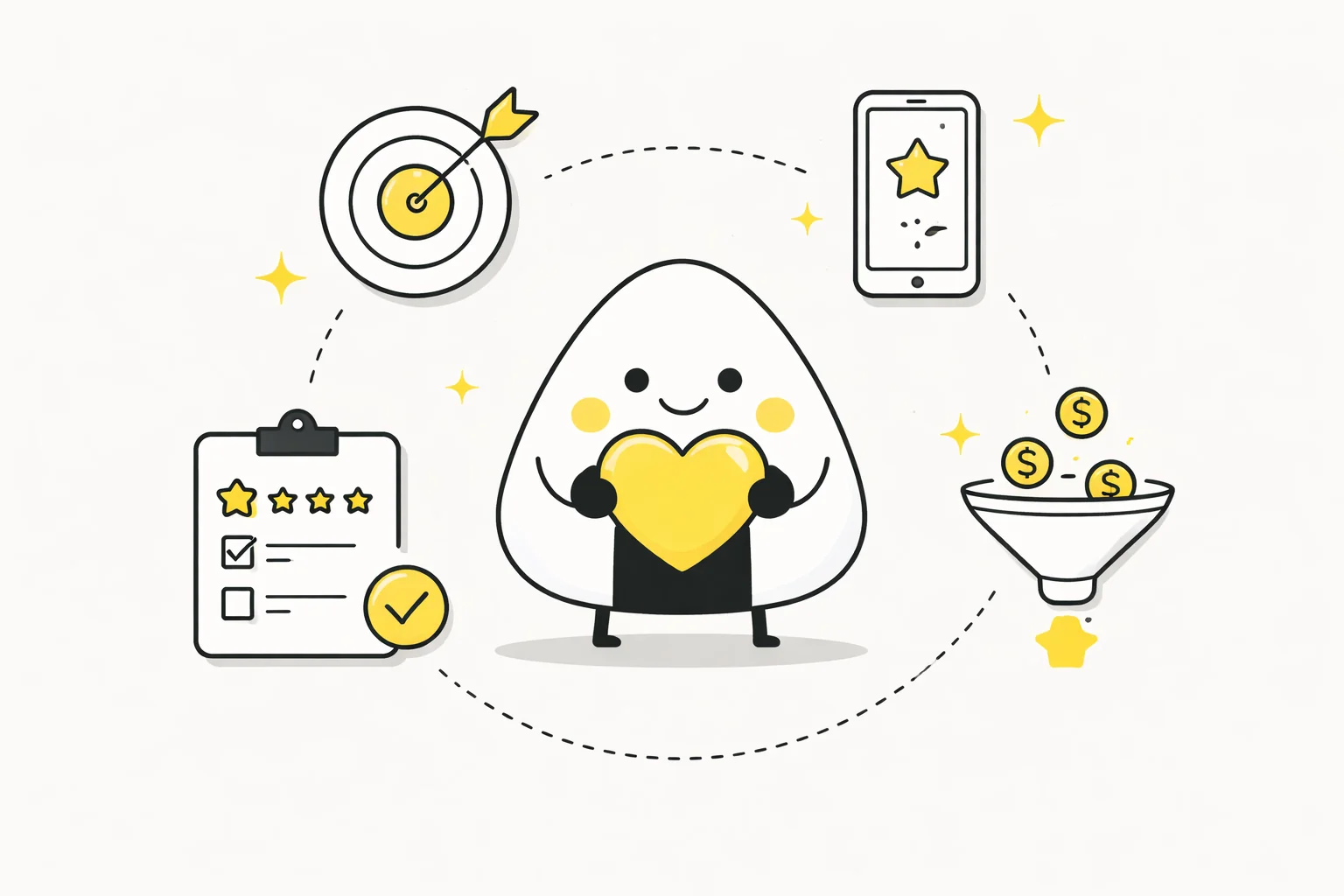
Table of Contents
PLG Meaning: What Product-Led Growth Really Is
PLG meaning (Product-Led Growth) is simple: the product itself becomes the main driver of acquisition, activation, retention, and expansion. Instead of relying primarily on sales calls or large campaigns, PLG companies win by letting users experience value quickly, often through free trials, freemium models, or self-serve onboarding.
If your best growth lever is “make the product easier to adopt and love,” you’re already thinking in PLG terms. The rest involves building the system around that idea, including onboarding, in-product guidance, activation metrics, and expansion paths.
Visual idea: a funnel from Signup → Activation → Habit → Expansion, with key metrics at each stage.
What is PLG and Why It Works
So, what is PLG in practice? It’s a go-to-market motion where users can discover, try, and succeed with the product with minimal friction, often before talking to anyone. That doesn’t mean “no sales.” It means the product creates qualified demand by proving value early.
OpenView popularized the concept and has a strong hub on Product-Led Growth that frames PLG as a strategy across the entire customer lifecycle, not just a pricing model.
PLG works best when:
- The product value can be experienced quickly (minutes or hours, not months)
- Time-to-value can be designed and measured
- The product can be adopted bottom-up (team/org expansion later)
If you’re deciding whether this motion fits your business, our guide on whether product-led growth is right for your company breaks down the signals and red flags in a practical way.
PLG Marketing: The Product is the Campaign
PLG marketing isn’t “run ads for a free trial.” It’s marketing that’s tightly integrated with the product experience, so the promise users click on is the value they reach inside the product.
In a PLG motion, marketing often focuses on:
- Driving the right signups (ICP-fit users, not just volume)
- Removing onboarding friction (education, templates, setup paths)
- Supporting in-product discovery (use-case messaging + guidance)
- Converting activated users into expansion (teams, seats, plans)
A crisp overview of the definition and mechanics is in ProductLed’s product-led growth definition, which emphasizes that PLG is a company strategy, not a single tactic.
To make PLG marketing measurable, you need onboarding and activation metrics that connect acquisition to real product value. This is where teams often get stuck, so we laid out a practical approach in our PLG framework for onboarding metrics.
Product-Led Growth Strategy and PLG Best Practices
A strong product-led growth strategy is basically: “design the shortest path to value, then scale what works.” The best teams treat PLG like an experiment loop: ship, measure, learn, iterate.
Core PLG best practices that consistently move outcomes:
- Define an activation event: a specific action that predicts retention (not “logged in”)
- Shorten time-to-value: remove steps, preload data, offer templates, simplify setup
- Guide users in-product: contextual tips, checklists, progressive disclosure
- Instrument the journey: funnels, cohorts, and drop-off reasons
- Build an expansion path: collaboration hooks, usage limits, admin controls, team invites
A useful benchmark on how PLG companies perform (and what trends look like) is Gainsight’s Product-Led Growth Index 2022.
And if you want a concrete example of PLG execution in the real world, this case study on unlocking PLG and self-serve B2B onboarding shows what it looks like when a team designs onboarding around activation and removes friction from the early journey.
FAQs
Conclusion
The real PLG meaning isn’t “freemium.” It’s building a growth engine where users can feel value fast, understand the next step, and expand naturally as usage spreads.
If you want PLG to work, don’t start with pricing—start with activation, onboarding, and the product journey that turns interest into habit. Done right, PLG becomes one of the most scalable ways to grow a SaaS business.

Interested in working with us?
Our Interim/Fractional Product Managers, Owners, and Leaders quickly fill gaps, scale your team, or lead key initiatives during transitions. We onboard swiftly, align teams, and deliver results.
Read More Posts
October 7, 2026
Monetized Products: What It Means and How to Plan Yours
A monetized product earns revenue from the value it delivers. Learn how to build a monetization strategy for software and apps, and which model fits.
October 5, 2026
Value Proposition: What It Is and How to Write One That Sells
A value proposition tells a specific customer why your product beats their current option. Learn the meaning, canvas examples, and how to test yours.
October 1, 2026
How to Map and Manage Stakeholders with Mendelow's Matrix
Mendelow's matrix sorts stakeholders by power and interest. Learn the four quadrants, see a worked product example, and avoid the common mapping mistakes.