

Product Operations: Scaling Your Team for Success
Learn how product operations (product ops) streamlines development, optimizes data, and empowers product managers to focus on strategy and growth effectively.


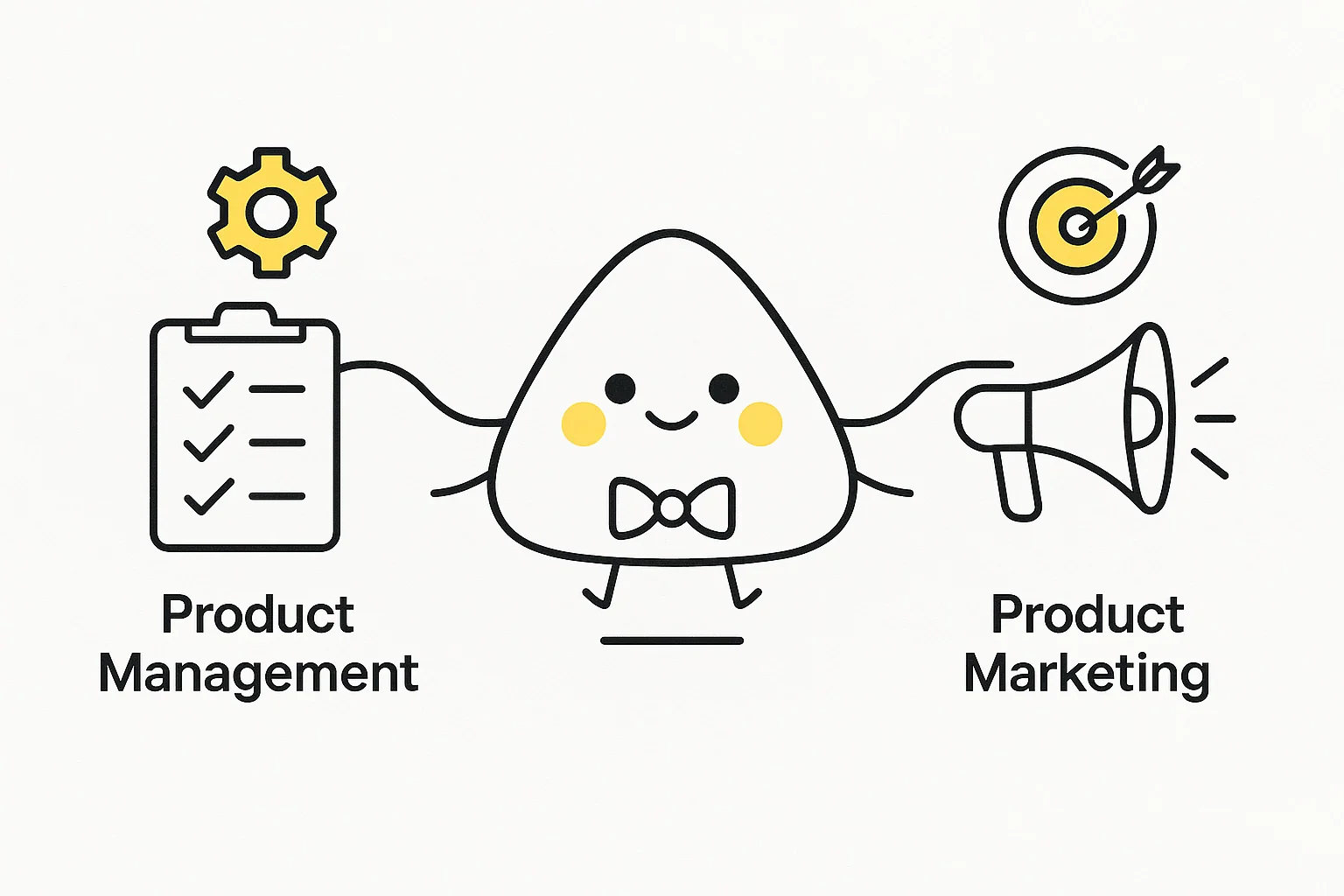
Table of Contents
Scaling Success with Product Operations
Product operations is the secret weapon for growing software companies that want to build better products faster. This function connects the dots between strategy, data, and execution to help teams work without friction. As product organizations scale, the need for a dedicated team to manage tools and processes becomes critical. This article covers why this role is essential and how it differs from traditional product management.
Product leaders often find themselves buried in administrative tasks instead of focusing on the big picture. They spend hours managing Jira boards or chasing down customer feedback from sales teams. A clear framework for product operations removes these roadblocks. It allows your team to focus on solving user problems while the operational side handles the infrastructure.
The Strategic Rise of Product Ops
Modern product organizations no longer rely on luck to scale. They use product ops to create repeatable systems that ensure every team member has what they need. This function acts as the backbone of the entire product department. It manages everything from the software stack to the way teams share insights across the company.
The core goal is to increase the speed and quality of decision-making. When data is scattered across five different tools, product managers waste time. A dedicated ops function centralizes this information. It creates a single source of truth for user research and performance metrics. This alignment helps the whole company stay focused on the most important goals without getting lost in the noise.
Why You Need a Product Operations Manager
A product operations manager is the person who builds the engine that powers your product team. They do not spend their day deciding which features to build. Instead, they focus on the "how" of product development. They make sure the right processes are in place so the team can execute the roadmap without hitting constant delays.
Their day-to-day work involves identifying gaps in the current workflow. They might automate a reporting process or set up a new tool for tracking experiments. By handling these technical and administrative burdens, they free up hours of time for the rest of the team. This role is especially vital in companies with more than five product teams where communication often starts to break down.
Defining the Product Ops Role
The product ops role is often misunderstood as just another layer of management. In reality, it is an enabling function that serves the internal team. One major responsibility is managing the "product stack," which includes tools for roadmapping, analytics, and user feedback. They ensure these tools talk to each other so data flows smoothly from one stage to the next.
Another key area is onboarding and professional development. When a new hire joins the team, they should not have to guess how to write a PRD or where to find user interview notes. The ops team creates the templates and guidelines that make training fast and consistent. This leads to a more professional and unified culture where everyone speaks the same language.
Product Operations vs. Product Management
It is important to understand the nuance of product operations vs product management to avoid overlapping work. Product managers own the vision and the roadmap for the customer. They look outward at market needs and user pain points. On the other hand, the ops function looks inward at the team's needs. They build the systems that support the product manager's strategic work.
We have seen this dynamic play out firsthand at Product People. In a B2B SaaS company we supported, the product managers were struggling to get clean data from their analytics tool. They were spending more time fixing dashboard errors than talking to customers. We stepped in to handle the operational setup and standardized their reporting. This change allowed the PMs to get back to strategy, and the company launched two major features ahead of schedule.
FAQs
Defining Your Product Operations Manager Strategy
A successful product organization requires a balance between vision and execution. Adding a dedicated manager to your team ensures that your processes can keep up with your growth. This investment pays off through faster launch cycles and more engaged team members who can focus on their core strengths.
When you clarify the product operations function, you remove the hidden costs of inefficiency. Your team will no longer struggle with broken workflows or missing data. Instead, they will have the infrastructure they need to build world-class software that stays ahead of the competition.

Interested in working with us?
Our Interim/Fractional Product Managers, Owners, and Leaders quickly fill gaps, scale your team, or lead key initiatives during transitions. We onboard swiftly, align teams, and deliver results.
Read More Posts
September 14, 2026
Measuring App Performance: A Product Metrics Framework
Learn how to measure app performance with a product metrics framework built for B2B teams, plus real examples and benchmarks to guide what to track.

September 11, 2026
Quantitative Investigation: How to Measure Digital CX
Learn how quantitative investigation turns website and app data into a real digital customer experience strategy, with metrics that matter.

September 10, 2026
Power is Not Always Formal
Product People founder Mirela Mus on getting things done without formal authority, and what she looks for in a leader who can do the same.