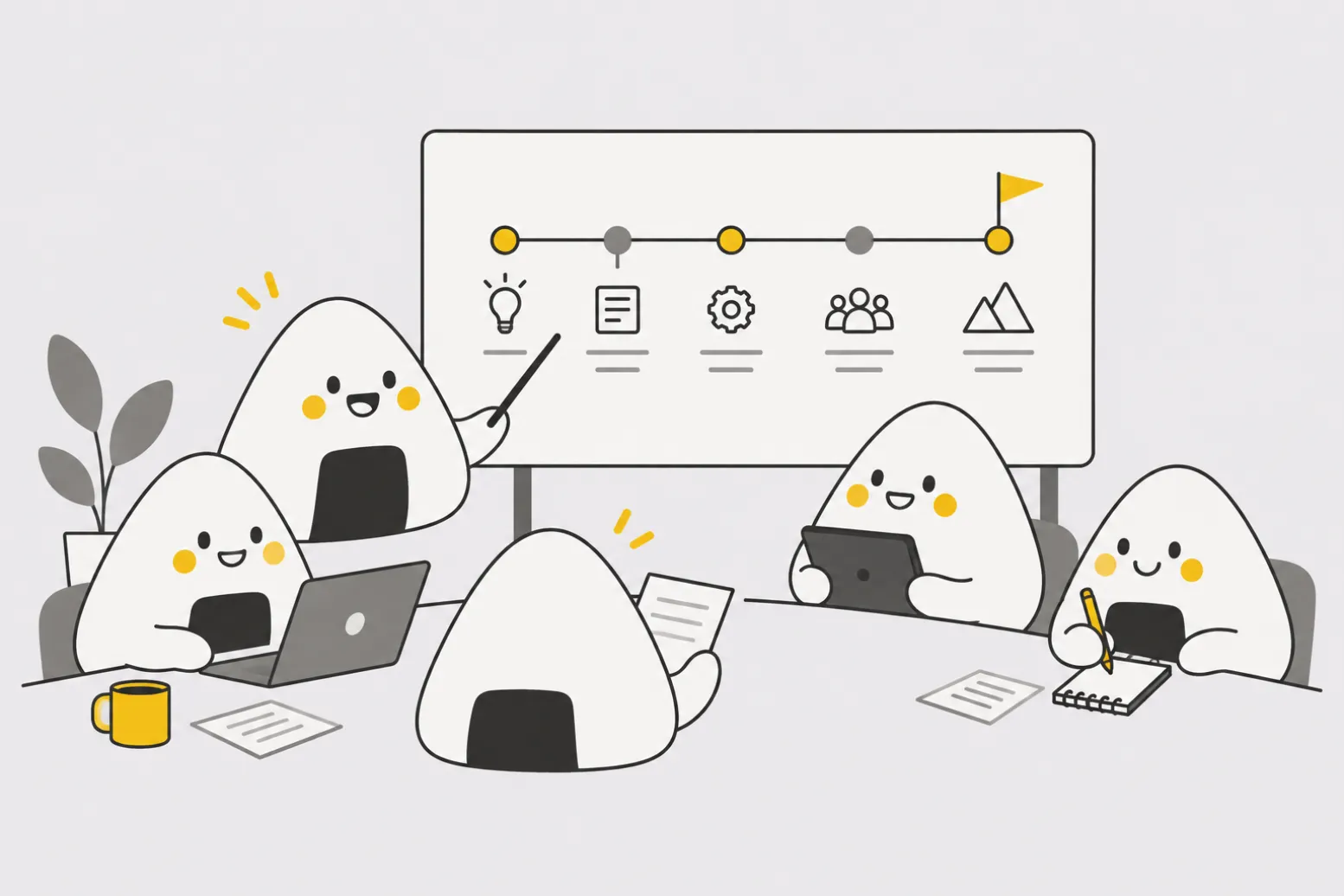

User Archetypes for Product Discovery: Build Better Products & Align Stakeholders
Learn how user archetypes improve product discovery and UX. Segment by behaviors (not demographics) to prioritize features and align stakeholders.



Table of Contents
Understanding archetypes is a critical step in effective product research and discovery. At their core, these are universal patterns of behavior, motivation, and mindset that help product teams categorize how different people interact with a system. Instead of focusing on superficial demographics like age, gender, or job title, this approach digs into the deep psychological drivers behind everyday user decisions.
As a product professional, your ultimate goal is to build solutions that resonate on a fundamental level and drive actual business outcomes. When you rely solely on rigid, fictional personas, you risk stereotyping your audience and missing the nuanced reasons why they actually adopt or abandon your software. By categorizing users based on their underlying goals and behavioral tendencies, you create a much more flexible and accurate representation of your target market.
In this article, we will explore how identifying these core behavioral profiles can dramatically improve your product strategy. We will cover the critical differences between traditional personas and behavioral models, how to leverage these insights during the initial discovery phase, and why understanding the psychological profiles of your internal stakeholders is just as important as understanding your end users.
Defining user archetypes for product discovery
To build truly resonant software, product teams must transition from relying on static personas to developing dynamic user archetypes. A traditional persona often includes distracting fictional details, such as a stock photo, a fake name, and a list of irrelevant personal hobbies. While this might help a marketing team write a clever email campaign, it rarely helps a product manager decide how to structure a complex onboarding flow or prioritize a technical backlog. Archetypes, on the other hand, strip away the unnecessary fluff. According to usability experts, understanding the difference between personas and archetypes means focusing entirely on a user's mindset, their relationship to the problem your product solves, and their specific behavioral triggers within a given interface.
For example, instead of designing for "Marketing Mary, a 35-year-old mother of two who likes yoga," you design for "The Optimizer." The Optimizer is characterized by a relentless drive for workflow efficiency, a shockingly low tolerance for repetitive manual data entry, and a deep, ongoing need for advanced reporting dashboards. This behavioral profile could equally apply to a 25-year-old startup founder or a 55-year-old enterprise executive. By focusing on the behavior rather than the demographic, your engineering and design teams can build features that address the root problem—like adding keyboard shortcuts and bulk-edit capabilities. Incorporating this behavioral lens into your standard product discovery process ensures that your product fits naturally into the broader context of a person's daily workflow. Furthermore, mapping these models aligns with modern user ecosystem thinking, which treats the user as an active participant within a complex digital environment rather than an isolated, predictable data point.
When conducting qualitative discovery, you should actively listen for recurring themes in how people approach risk, how they learn new tools, and what ultimate outcomes they are trying to achieve. Grouping your interview subjects by these shared cognitive patterns allows you to build a highly actionable framework. This framework then acts as a powerful prioritization tool for your roadmap. When a new feature request comes in from the sales team, you evaluate it not by asking if a specific demographic would like it, but by asking which specific behavioral profile it serves and whether that profile represents your most valuable market segment. This approach eliminates subjective debates and anchors your product decisions in observable human behavior.
Navigating leadership archetypes in your team
While understanding your market is vital, product managers must also master the various leadership archetypes present within their own organization. You rarely have direct authority over the engineers, designers, or marketing teams you work with every day. Your success relies entirely on your ability to influence cross-functional stakeholders who often have wildly different motivations, risk tolerances, and communication styles. Recognizing whether your VP of Sales operates as a "Challenger" who thrives on debate, or your Lead Architect is an "Expert" who requires exhaustive technical documentation, allows you to tailor your pitches and secure necessary buy-in much faster.
At Product People, we frequently step into high-stakes environments where product delivery is completely paralyzed by internal stakeholder misalignment. We use our first-hand experience to map out these internal dynamics and rebuild trust across siloed departments. A prime example of this was our work with a rapidly scaling B2B SaaS company in the complex logistics sector. The product team was struggling to launch a critical new routing algorithm because the executive team was constantly at odds. The CEO was a classic visionary who wanted to ship rapidly and capture market share, while the Chief Compliance Officer was a deep pragmatist who blocked every single release citing potential regulatory risks and data privacy concerns.
By objectively mapping these differing leadership styles, we were able to completely change the product team's internal communication strategy. We helped them establish a rhythm of continuous product discovery that naturally catered to both profiles. We presented the CEO with high-level impact metrics and growth projections, while simultaneously providing the Compliance Officer with detailed, risk-mitigated rollout plans and A/B testing guardrails. This targeted stakeholder management broke the deadlock and allowed the feature to launch smoothly.
Advanced organizational research on the seven transformations of leadership emphasizes that the most effective managers are those who can seamlessly adapt their own style to complement the profiles of the people around them. If you treat every executive exactly the same, bringing the identical slide deck to a visionary and a pragmatist, your product roadmap will inevitably face unnecessary friction. By applying the same rigorous behavioral analysis to your internal team that you apply to your external users, you create a harmonious, high-velocity product culture. This dual focus ensures that you are not only building the right solution for the market, but that your company is actually structurally capable of shipping it effectively.
FAQS
Conclusion
Moving beyond surface-level demographics to understand the deep behavioral patterns of both your users and your internal team is a massive superpower for product managers. It fundamentally shifts your approach from making assumptions to building robust solutions grounded in psychological reality.
By applying this methodology, you ensure that every feature you design resonates deeply with your target market while simultaneously navigating internal corporate politics with ease.
Interested in working with us?
Our Interim/Fractional Product Managers, Owners, and Leaders quickly fill gaps, scale your team, or lead key initiatives during transitions. We onboard swiftly, align teams, and deliver results.
Read More Posts
September 25, 2026
What Are Roadmaps? A Practical Guide for Product Teams
Roadmaps align teams around what matters most. Learn what a product roadmap is, what belongs on it, and where Jira Advanced Roadmaps fits in.
September 23, 2026
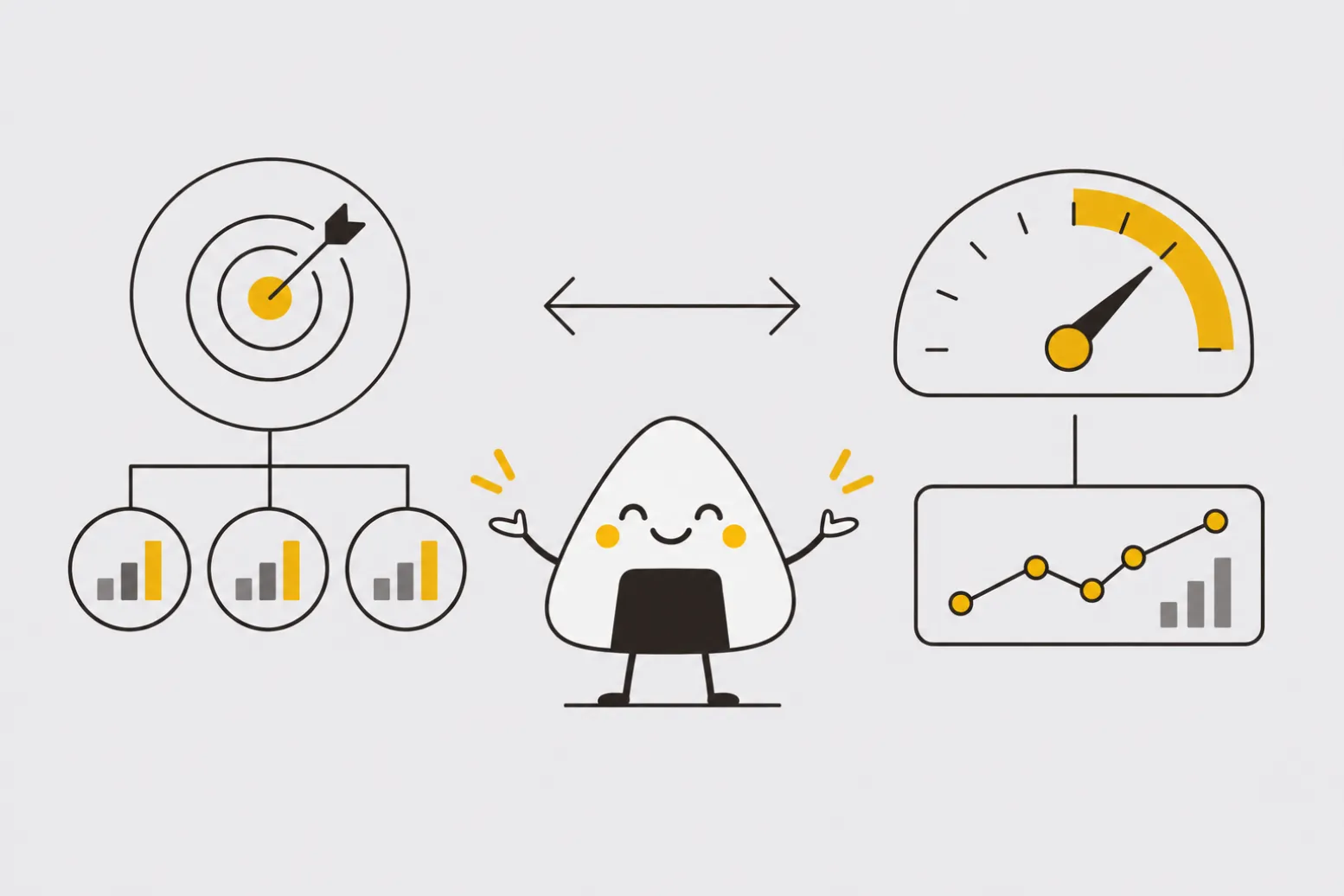
OKR vs KPI: The Real Difference (and How They Work Together)
OKR vs KPI, explained with real examples: what each term means, how they work together, and where KRA fits into the mix.
September 21, 2026
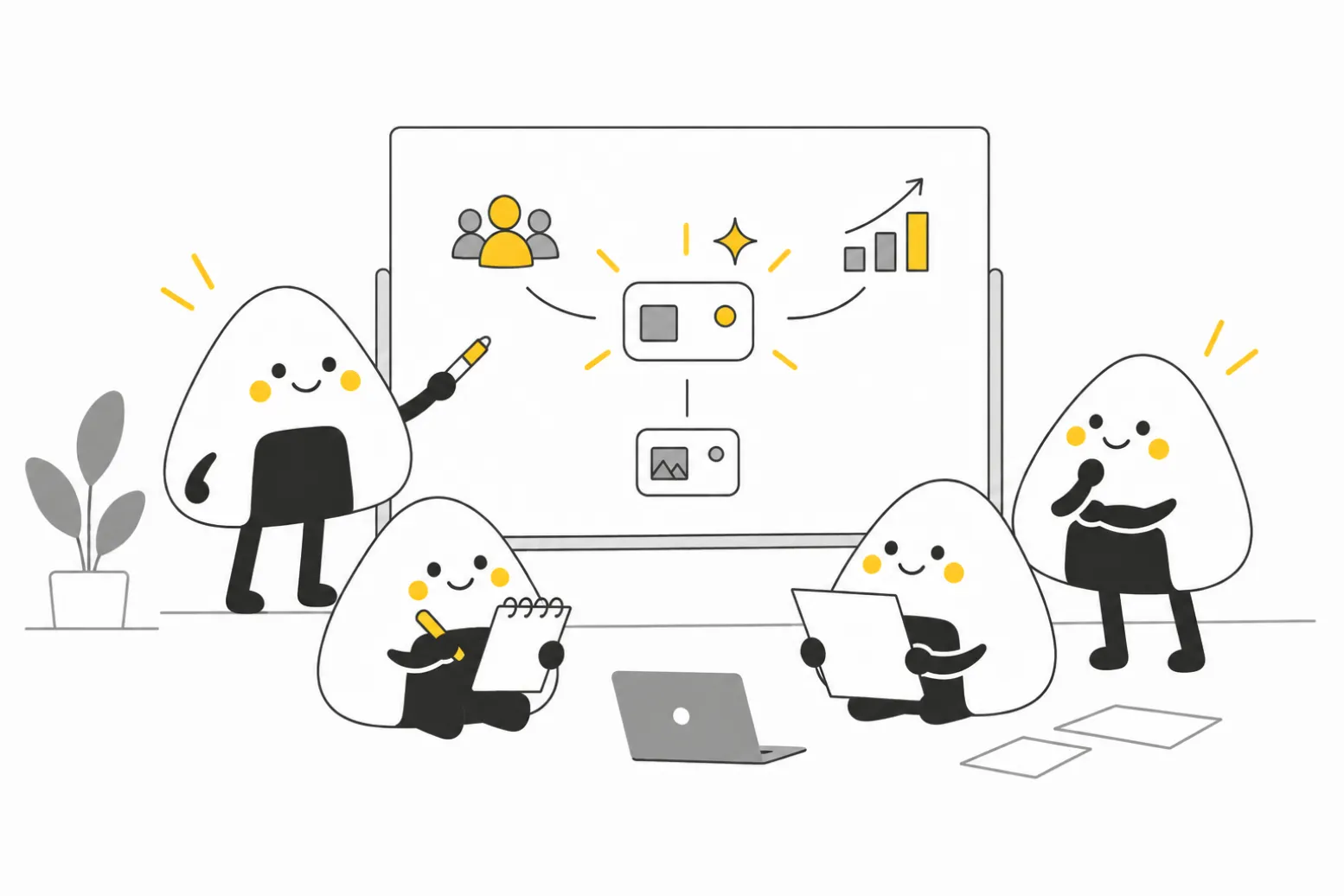
Unique Selling Points: How to Find and Sharpen Yours
A guide to finding your unique selling proposition, telling it apart from your value prop, and turning it into a strategy customers remember.