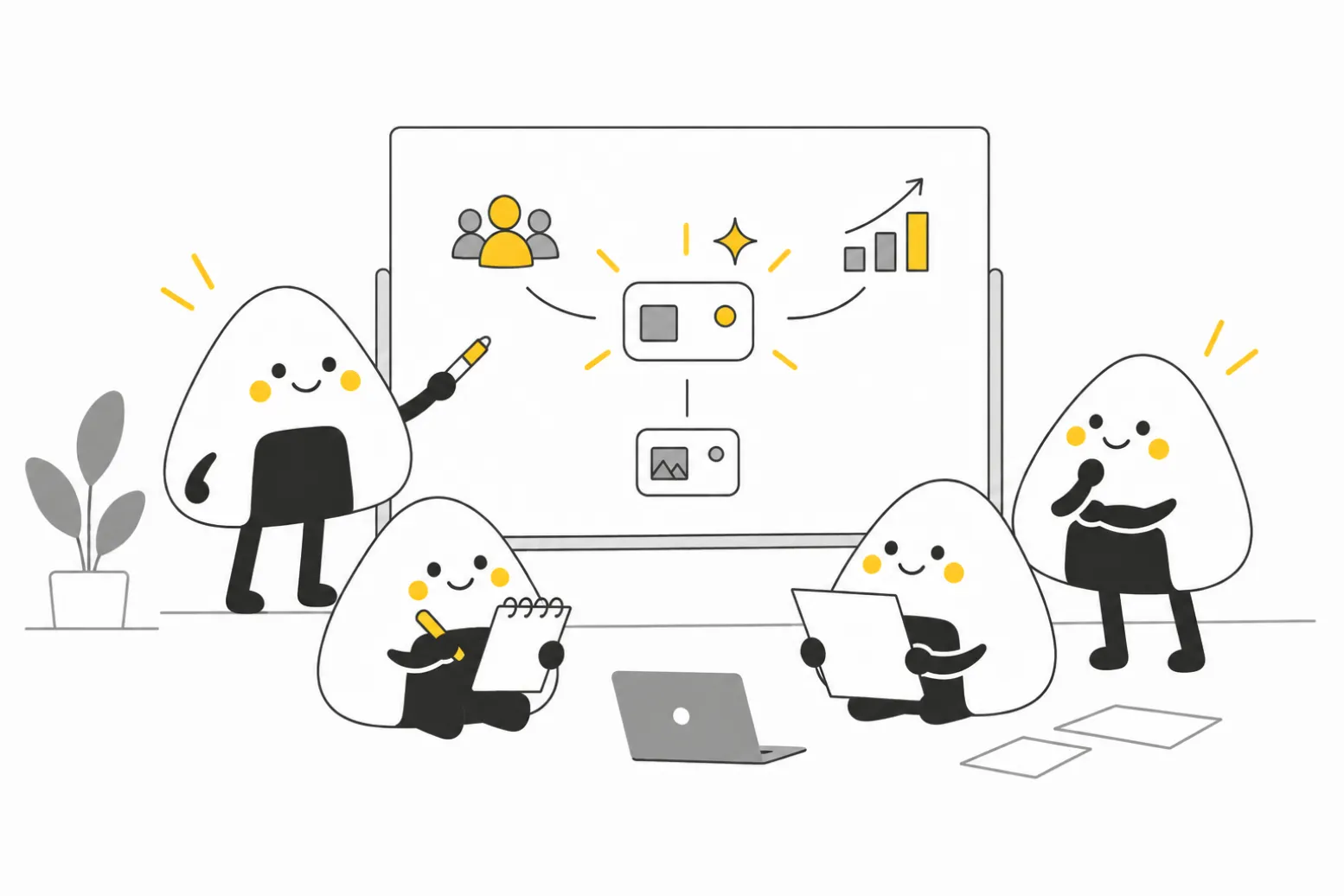

Understanding the Modern User to Drive Product Growth
Dive into user experience by moving beyond basic metrics. Learn how to build a robust user persona definition, utilize a professional user persona template, and analyze real-world user persona examples to drive product-led growth and retention.


Table of Contents
Understanding the Modern User to Drive Product Growth
In the world of product management, a user is any individual who interacts with a digital or physical product to achieve a specific goal or solve a problem. Understanding this person is the foundational step in building successful software, as it shifts the focus from purely technical features to the human outcomes that drive retention and revenue. This article explores how product teams can move beyond basic metrics to deeply understand their audience's motivations and behaviors.
Effective product development requires a nuanced view of who is clicking the buttons. We will cover the tactical application of personas, how to structure your research, and the difference between buyers and end-users. By mastering the core user experience, product managers can ensure they are building solutions that truly resonate with their target market rather than just shipping code into a void.
Mastering the Strategic User Persona Definition
A comprehensive user persona definition goes far beyond simple demographic data like age or location. For a product manager, a persona is a semi-fictional character that represents a specific segment of your audience based on their behaviors, pain points, and professional goals. Instead of looking at "Senior Managers," a robust definition focuses on "Overwhelmed Ops Leads who need to automate manual reporting." This distinction is critical because it identifies the "Job to be Done," allowing the product team to prioritize features that alleviate specific frictions. When you define your audience through the lens of their workflow, you stop guessing what they might like and start building what they actually need.
To build these definitions effectively, product teams must synthesize qualitative interviews with quantitative data. While a ProductPlan report might highlight broad industry trends, your internal data reveals the specific friction points in your unique funnel. High-growth companies often leverage a user persona template to standardize this information across the organization. A standard template should include the following elements:
- The Primary Goal: What is the one thing this person must achieve today?
- The Key Frustration: What is currently stopping them from reaching that goal?
- Tech Literacy: How comfortable are they with new software or complex UI?
- Decision Power: Are they the person using the tool, or the person paying for it?
By documenting these traits, you create a shared language for your engineering and design teams. This prevents "feature creep," where teams add unnecessary complexity that doesn't serve the core persona. For instance, when delivering growth products for fintech leaders, teams often find that the "user" is actually multiple distinct personas—the compliance officer, the end consumer, and the customer support agent—each requiring a different interface and value proposition within the same ecosystem.
Leveraging a User Persona Template for Scale
Using a standardized user persona template is the most efficient way to ensure that your product strategy remains consistent as your team grows. Without a template, individual product managers may develop their own siloed views of the customer, leading to a fragmented user experience. A great template acts as a North Star, guiding everything from marketing copy to API design. It bridges the gap between high-level vision and tactical execution. When everyone from the CEO to the junior developer understands the "Busy Becky" or "Analytical Alex" persona, decisions happen faster and with more confidence.
Seeing real-world user persona examples can help teams understand how to fill out these templates effectively. For a B2B SaaS platform, one persona might be the "Implementation Specialist" who cares about API documentation and integration speed. Another might be the "Executive Sponsor" who only looks at high-level dashboards once a month. To see how these personas interact with your product over time, it is vital to optimize digital experiences through customer journeys. This mapping helps you identify which persona is active at each stage of the lifecycle.
Nielsen Norman Group, the UX research firm that popularized personas as a product discipline, notes that once a product is live, personas can be used to segment analytics data to see how each user group actually behaves. This turns a broad user base into concrete workflows you can design and measure against. This is why aligning your product around specific user types tends to pay off: you aren't just selling a tool, you're selling a tailored workflow. Consider these best practices when deploying your persona templates:
- Keep it dynamic: Personas should evolve as your product matures and your market shifts.
- Use real quotes: Nothing grounds a persona like an actual quote from a customer interview.
- Differentiate "Buyer" vs. "User": In many enterprise settings, the person who signs the check never actually opens the app.
- Visualize the data: Use charts or graphs to show where this persona spends the most time in your product.
According to recent Mixpanel benchmarks, retention rates vary wildly depending on how well the initial onboarding matches the persona's expectations. If your template identifies that a user is "time-poor," your onboarding should be a 30-second "aha moment" rather than a 10-minute guided tour. By tailoring the experience to the persona's specific constraints, you reduce churn and build long-term loyalty.
FAQs
Conclusion
Understanding your user is not a one-time task but a continuous process of discovery and refinement. By utilizing a structured user persona template and looking at real user persona examples, product teams can build empathy and technical precision simultaneously. This alignment ensures that every feature developed serves a clear purpose and solves a documented pain point.
Ultimately, the goal of any product professional is to bridge the gap between business objectives and human needs. When you apply a rigorous user persona definition to your roadmap, you create products that people don't just use: they rely on. Continue to iterate on your personas as you gather more data, and your product will naturally evolve to meet the changing demands of your market.

Interested in working with us?
Our Interim/Fractional Product Managers, Owners, and Leaders quickly fill gaps, scale your team, or lead key initiatives during transitions. We onboard swiftly, align teams, and deliver results.
Read More Posts
September 21, 2026
Unique Selling Points: How to Find and Sharpen Yours
A guide to finding your unique selling proposition, telling it apart from your value prop, and turning it into a strategy customers remember.
September 18, 2026
User Stories Explained: Format, Examples, and Template
Learn the user story format, see real examples, and grab a free template to write clearer, more useful agile backlogs.

September 16, 2026
Onboarding Software: How Product Teams Choose and Use It
Onboarding software splits into HR and product categories. See how to map the user onboarding process, pick tools, and learn from real examples.