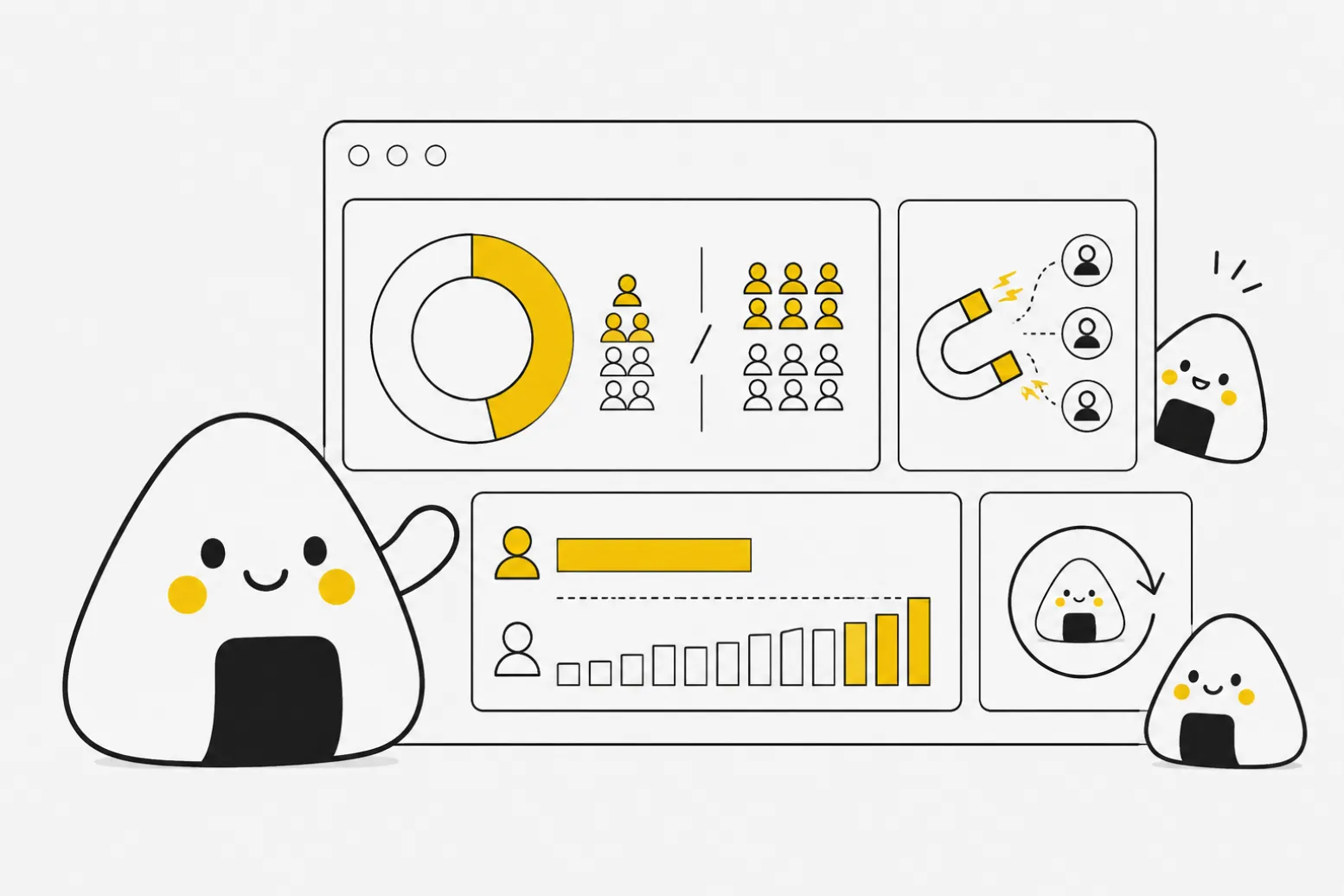

Product Management: A Practical Framework for High-Growth Teams
Define your product management duties and scale high-growth teams with agile frameworks. Learn the strategic impact of PM roles in this 2026 professional guide.


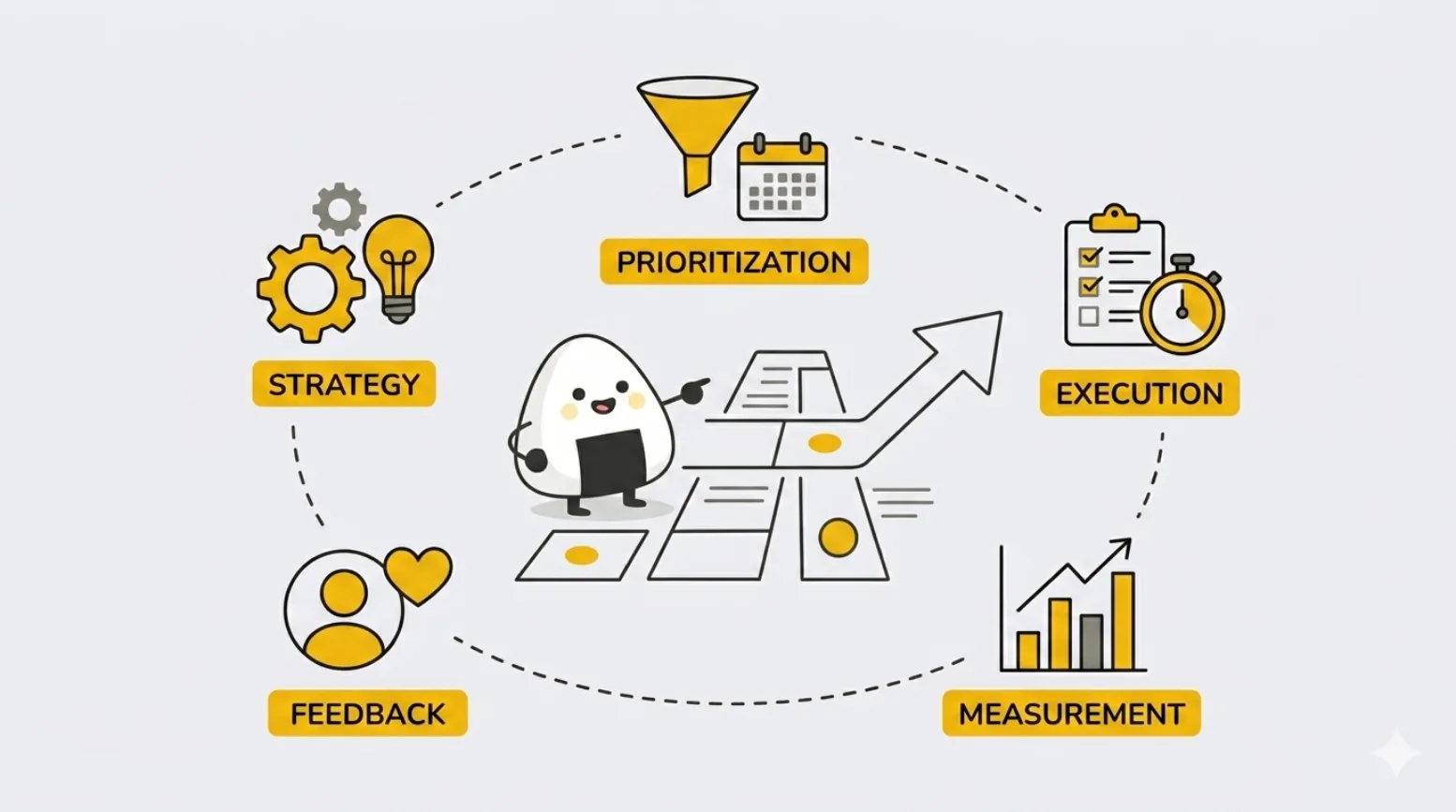
Table of Contents
Product Management is the organizational function that guides every step of a product’s lifecycle, from initial development to market positioning and price. It serves as the vital connective tissue between an organization’s business strategy, the design department, and the engineering team to ensure a product meets customer needs. This article provides a comprehensive look at how modern teams navigate the complexities of building and scaling digital solutions in 2026.
In the current landscape, the role has moved far beyond simple task management. It now requires a deep understanding of data science, user psychology, and market dynamics to stay ahead of the curve. We will explore the specific responsibilities that define this career path and how specialized frameworks help teams deliver consistent value. By the end of this guide, you will have a clear understanding of the tools and methodologies used by the world's most successful product organizations.
The shift toward outcome-based work has changed how we measure success. Instead of asking "did we ship this feature?", teams are now asking "did we solve the user's problem?". This transition requires a mindset shift that balances long-term vision with daily execution. Let’s dive into the core components that make up a high-performing product department.
Defining Product Management Duties and Strategic Impact
The scope of product management duties is incredibly broad, often described as being the "CEO of the product," though without the direct authority over people. At its core, the job is about decision-making under uncertainty. A product professional must identify which problems are worth solving by conducting deep market research and user discovery. Once a problem is validated, they must prioritize the roadmap, ensuring that the engineering team is always working on the most impactful tasks. This involves a constant balancing act between customer requests, technical debt, and business goals.
One common area of confusion for many organizations is understanding product management vs project management. While the titles are often used interchangeably in smaller companies, they represent very different functions. Product management is focused on the "what" and "why": finding the right product-market fit and ensuring long-term growth. Project management, on the other hand, is focused on the "how" and "when": managing resources, timelines, and budgets to execute a specific plan. A product manager defines the destination, while a project manager ensures the vehicle stays on schedule and arrives safely.
In today's tech environment, these duties are being transformed by artificial intelligence. Leading firms are now integrating data-driven decision-making into their core workflows. As noted in the Stanford Enterprise AI Playbook, teams that leverage AI for predictive analytics can identify user churn or emerging market trends much faster than traditional methods. This allows PMs to move from being reactive to being proactive, shaping the market rather than just responding to it.
Effective teams also understand that they cannot do everything alone. Many organizations leverage interim product management to provide high-level leadership during periods of rapid transition or when scaling a specific product line. These experts bring a wealth of external experience, helping to refine the internal product management duties and establish best practices that the permanent team can maintain. This flexible approach to staffing allows companies to remain agile without sacrificing the quality of their strategic output.
To excel in this role, a professional must master several core disciplines:
- User Discovery: Using qualitative interviews and quantitative data to find "pain points."
- Roadmap Orchestration: Creating a visual narrative of where the product is going and why.
- Stakeholder Alignment: Negotiating between sales, engineering, and executives to keep everyone moving in the same direction.
- Metric Definition: Establishing North Star metrics that truly reflect product health, such as Daily Active Users (DAU) or Net Promoter Scores (NPS).
Furthermore, recent research published in the PMC database suggests that the emotional intelligence of a product leader is one of the strongest predictors of team success. Because PMs must lead through influence rather than authority, the ability to build trust and navigate office politics is essential. This human element remains the most difficult part of the job to automate, making it a "future-proof" skill set for anyone entering the field.
Scaling with Agile Product Management and Training
Adopting agile product management is no longer optional for companies that want to survive in a fast-paced market. The agile methodology allows teams to break down massive projects into smaller, manageable "sprints." This iterative approach means that instead of waiting a year to see if a product works, teams can release a Minimum Viable Product (MVP) in weeks. They then gather real-world feedback and use it to inform the next cycle of development. This creates a feedback loop that drastically reduces the risk of expensive failures and ensures the product evolves alongside the user’s needs.
However, moving to an agile framework requires a significant investment in product management training. Many traditional managers struggle with the shift from "command and control" to "empower and iterate." Training programs focus on teaching PMs how to write effective user stories, manage a product backlog, and lead a "squad" without micromanaging the technical details. These programs also emphasize the importance of "soft skills" like conflict resolution and persuasive storytelling, which are critical for maintaining team morale during high-pressure releases.
According to a report on Consumer Trends 2026, consumers now expect products to be highly adaptive and personalized. This demand places even more pressure on the agile product management process to be responsive. A rigid, year-long plan is essentially useless when consumer sentiment can shift in a matter of days. PMs must be trained to look at data in real-time and have the courage to "pivot" when the original hypothesis is proven wrong. This level of adaptability is what separates market leaders from also-rans.
For those looking to enter the field or level up their skills, understanding the nuances of the hiring process is vital. Resources like how to hire a product manager provide insight into what top-tier companies are actually looking for. They aren't just looking for someone who can use Jira; they are looking for "product sense"—the innate ability to understand what makes a product great and why users will pay for it. This sense is honed through a combination of formal product management training and hands-on experience in the trenches of a product launch.
Key areas where training provides the most value include:
- Hypothesis Testing: Learning how to design experiments that provide clear "yes" or "no" answers.
- Technical Fluency: Understanding enough about APIs, databases, and system architecture to earn the respect of the engineering team.
- Financial Modeling: Learning how to calculate Customer Acquisition Cost (CAC) and Lifetime Value (LTV) to ensure the product is actually profitable.
- Product Marketing: Bridging the gap between building the product and telling the world why they need it.
Ultimately, the goal of scaling these efforts is to create a "product-led" culture. In this environment, every department—from customer success to sales—looks to the product as the primary driver of growth. This requires the PM to act as a central hub of information, constantly distilling complex data into actionable insights for the rest of the company. It is a challenging role, but for those who enjoy solving complex puzzles and building things that people love, it is incredibly rewarding.
FAQs
Conclusion
Navigating the world of product management requires a unique blend of analytical rigor and creative problem-solving. By focusing on the core duties of discovery and prioritization, while leveraging agile methodologies, you can build products that truly resonate with users. The key is to stay adaptable and prioritize continuous learning as the technological landscape continues to shift at a rapid pace.
As you grow in your career, remember that the best products are built by teams that value empathy as much as they value data. By fostering a culture of experimentation and open communication, you ensure that your team is not just building features, but building meaningful solutions. The journey of a product professional is never finished, but with the right frameworks in place, it is a path filled with opportunity and impact.

Interested in working with us?
Our Interim/Fractional Product Managers, Owners, and Leaders quickly fill gaps, scale your team, or lead key initiatives during transitions. We onboard swiftly, align teams, and deliver results.
Read More Posts
July 17, 2026
Product Stickiness: Definition, Metrics, and How to Improve It
Product stickiness measures how often users return to your product. Learn the DAU/MAU formula, real benchmarks, and how to improve it.
October 1, 2026
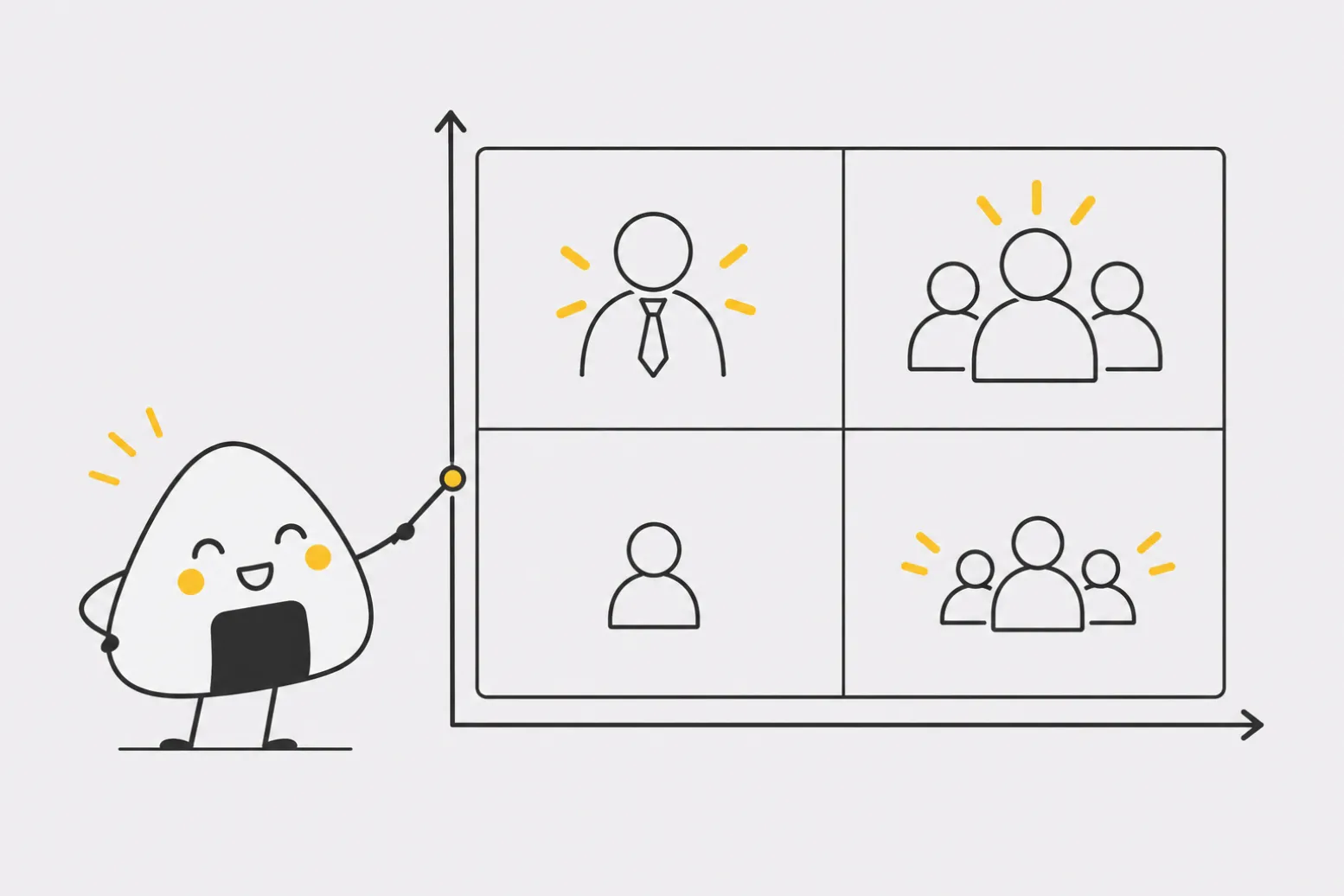
How to Map and Manage Stakeholders with Mendelow's Matrix
Mendelow's matrix sorts stakeholders by power and interest. Learn the four quadrants, see a worked product example, and avoid the common mapping mistakes.
July 3, 2026
Product Management Explained: Roles, Salary, and Skills
Product management defines what to build and why. Learn the role, salary ranges, interview prep, and books every product manager should know.