
Product Management Explained: Roles, Salary, and Skills
Product management defines what to build and why. Learn the role, salary ranges, interview prep, and books every product manager should know.


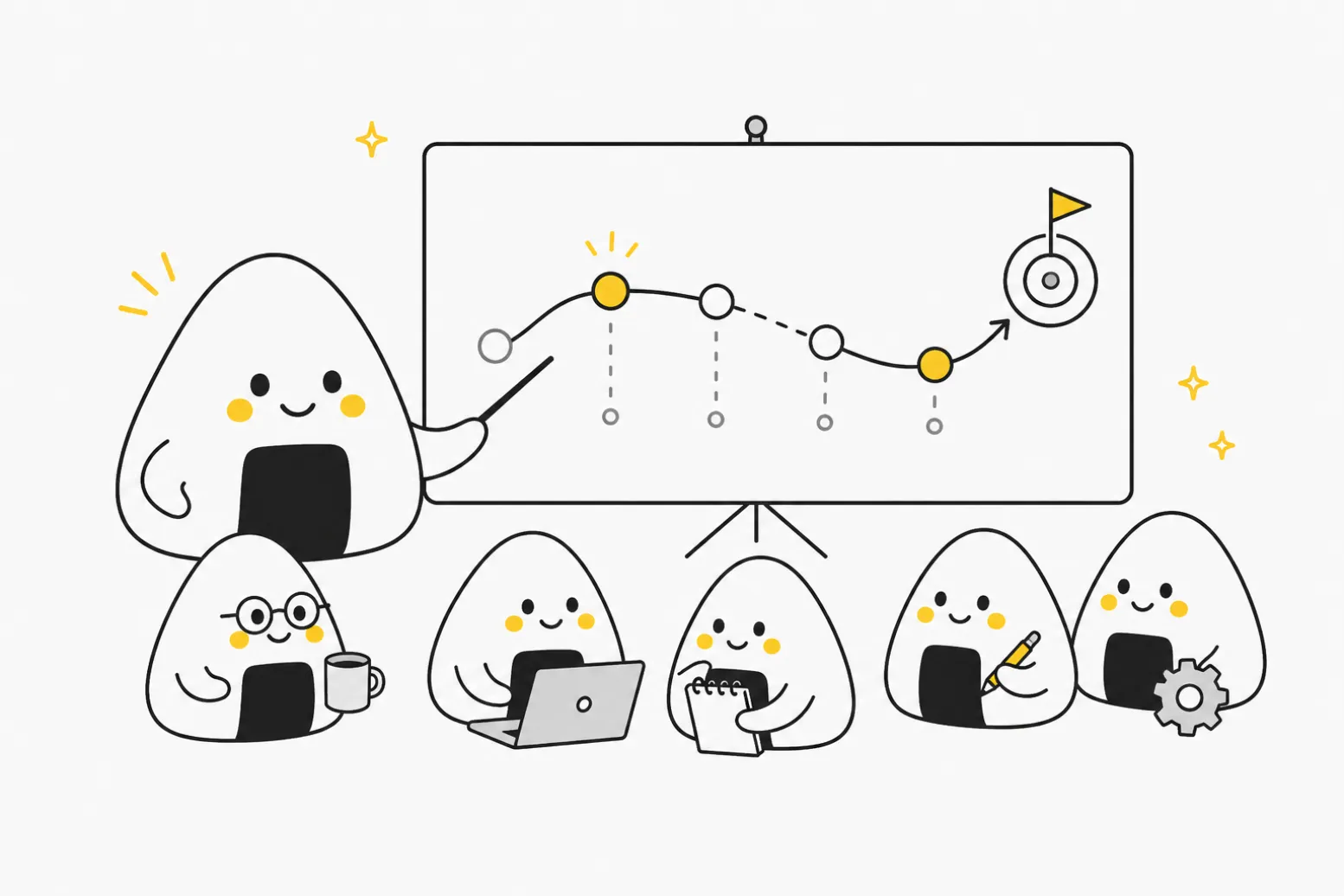
Table of Contents
Product management is the discipline of deciding what a company builds, why it builds it, and how success gets measured once it ships. A product manager sits between customers, engineers, and business leaders, turning market signals and user research into a roadmap the whole team can execute against.
The function has grown fast over the last decade. Startups now hire a first product manager well before their first ten employees, and large enterprises run dozens of product lines, each with its own owner. Despite that growth, the role still gets defined differently from one company to the next, which makes it confusing for anyone trying to break in or hire for it.
This article breaks down what product managers actually do day to day, what the job pays, how interviews test for the role, and when a business is better off bringing in outside product management consulting rather than hiring a full-time employee. Along the way, we point to books and resources worth reading next.
Product Management Salary and Career Outlook
Product management salary varies more than most people expect, and the spread comes down to seniority, company stage, and location rather than the job title alone. Entry-level associate product managers in the United States typically start in the $85,000 to $100,000 range. Mid-level product managers commonly earn between $120,000 and $150,000 in base salary, and that number climbs sharply at the director and VP level.
Total compensation tells a fuller story than base salary alone. Crowdsourced pay data from Levels. Product Manager compensation reports show median total compensation reaching well above $200,000 once equity and bonus are included at large technology companies, a gap that base salary figures alone tend to hide.
Company size and industry matter as much as title. A product manager at a well-funded technology company with strong equity grants will often out-earn a product manager with more years of experience at a traditional enterprise. Geography still plays a role too, with hubs like San Francisco and New York paying a meaningful premium over other US metro areas.
Career progression in product management tends to follow one of two paths. Some product managers move up the individual contributor to leadership ladder, becoming a group product manager, then director, then VP or chief product officer. Others specialize, focusing deeply on a domain like growth, platform, or AI products, and build a reputation as an expert rather than a people manager.
A few factors consistently correlate with faster salary growth in this field:
- Ownership of revenue-generating products, since PMs closer to the P&L tend to be compensated closer to business outcomes
- Experience shipping in regulated or technically complex domains, such as fintech, healthtech, or infrastructure
- A track record of measurable outcomes, not just shipped features, since most companies now tie PM performance reviews to metrics like retention or revenue growth
Anyone evaluating an offer should look past base salary alone and weigh the full package, including equity vesting schedules and bonus structure, before comparing two roles directly.
Cracking Product Management Interview Questions
Product management interview questions cluster into a handful of predictable categories, and knowing the pattern matters more than memorizing sample answers. Most loops test four areas: product sense, execution and metrics, strategy, and behavioral fit.
Product sense questions ask a candidate to design or improve a product for a given user group, such as how to improve the checkout flow for a grocery delivery app. Interviewers care less about the final answer than about how a candidate structures the problem, asks clarifying questions, and prioritizes trade-offs under time pressure.
Execution and metrics questions test whether a candidate can define a north star metric, diagnose a metric that suddenly drops, or decide what to build when data is incomplete. These questions reward candidates who reason from first principles rather than recite a framework by name. That focus lines up with what teams say they struggle with most: ProductPlan's 2025 State of Product Management Report found that prioritizing initiatives has overtaken stakeholder alignment as the single biggest challenge product teams face.
Strategy questions push further out, asking how a candidate would enter a new market or respond to a competitor's move. Behavioral questions round out the loop, focusing on how a candidate has handled conflict, ambiguity, and failure in past roles, since leadership and communication now account for a large share of most PM hiring decisions.
Candidates preparing for interviews should practice out loud, not just read frameworks. Structuring an answer clearly under time pressure is a skill in itself, separate from having the right instincts. Reading a foundational book on the role beforehand, and being ready to discuss it, also signals genuine interest rather than last-minute cramming.
When to Bring in Product Management Consulting
Not every company needs a full-time product hire on day one, and that is exactly where product management consulting fits in. Consultants and fractional product managers step in to fill a specific gap: validating a new product direction, untangling a broken roadmap process, or covering a leadership vacancy while a company runs a proper search.
There are a few situations where bringing in outside help makes more sense than hiring:
- A company needs senior product judgment fast but cannot justify a full-time VP of Product yet, especially at seed or Series A stage
- An existing team has strong execution but lacks a clear strategy, and needs an outside perspective to realign the roadmap with business goals
- A product leader has just left, and the business needs continuity while it runs a proper hiring process
Firms like Product People work through interim product management and structured PM consulting engagements that typically start adding value within one to two weeks, rather than the months a traditional executive search can take.
The trade-off is straightforward. Consulting and fractional arrangements move faster and reduce the risk of a bad full-time hire, but they are not a permanent substitute for an in-house product leader who carries long-term context and relationships across the organization. Most companies use consulting as a bridge, not a destination.
That investment tends to pay for itself. McKinsey's research on the product operating model found that organizations with high product operating model maturity post 60 percent higher returns to shareholders and 16 percent higher operating margins than bottom-half performers, a strong argument for treating the function as a priority rather than an afterthought, whether it is staffed in-house or through consulting.
FAQ
Conclusion
Product management works best when the person doing it has clear ownership, a tight feedback loop with real users, and a way to tie decisions back to business outcomes. Whether you are evaluating a career move, prepping for an interview, or deciding how to staff the function, those fundamentals do not change.
If your team is trying to figure out whether to hire in-house or bring in outside support first, Product People's PM consulting team is a reasonable place to start that conversation.

Interested in working with us?
Our Interim/Fractional Product Managers, Owners, and Leaders quickly fill gaps, scale your team, or lead key initiatives during transitions. We onboard swiftly, align teams, and deliver results.
Read More Posts
October 1, 2026
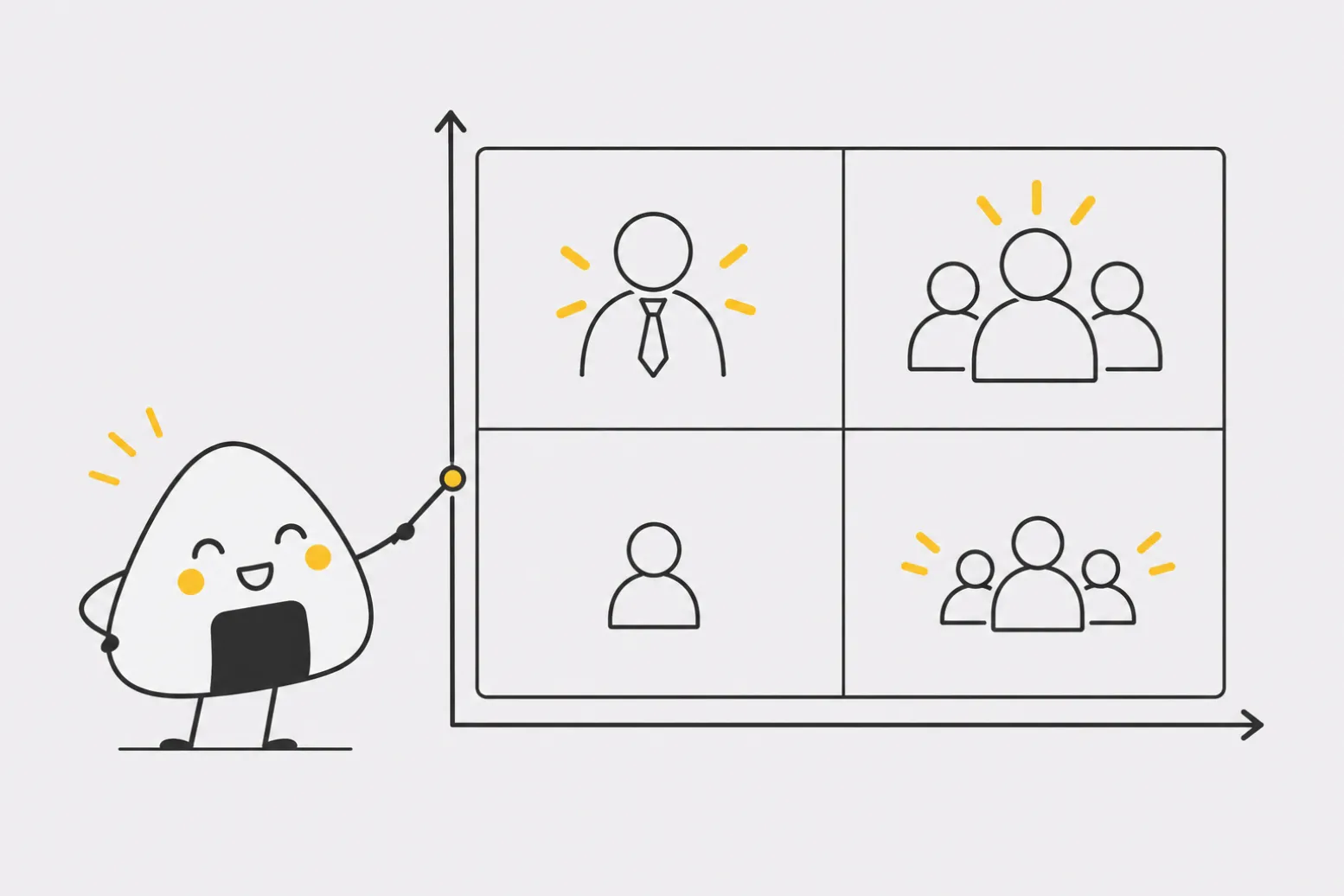
How to Map and Manage Stakeholders with Mendelow's Matrix
Mendelow's matrix sorts stakeholders by power and interest. Learn the four quadrants, see a worked product example, and avoid the common mapping mistakes.
August 21, 2026
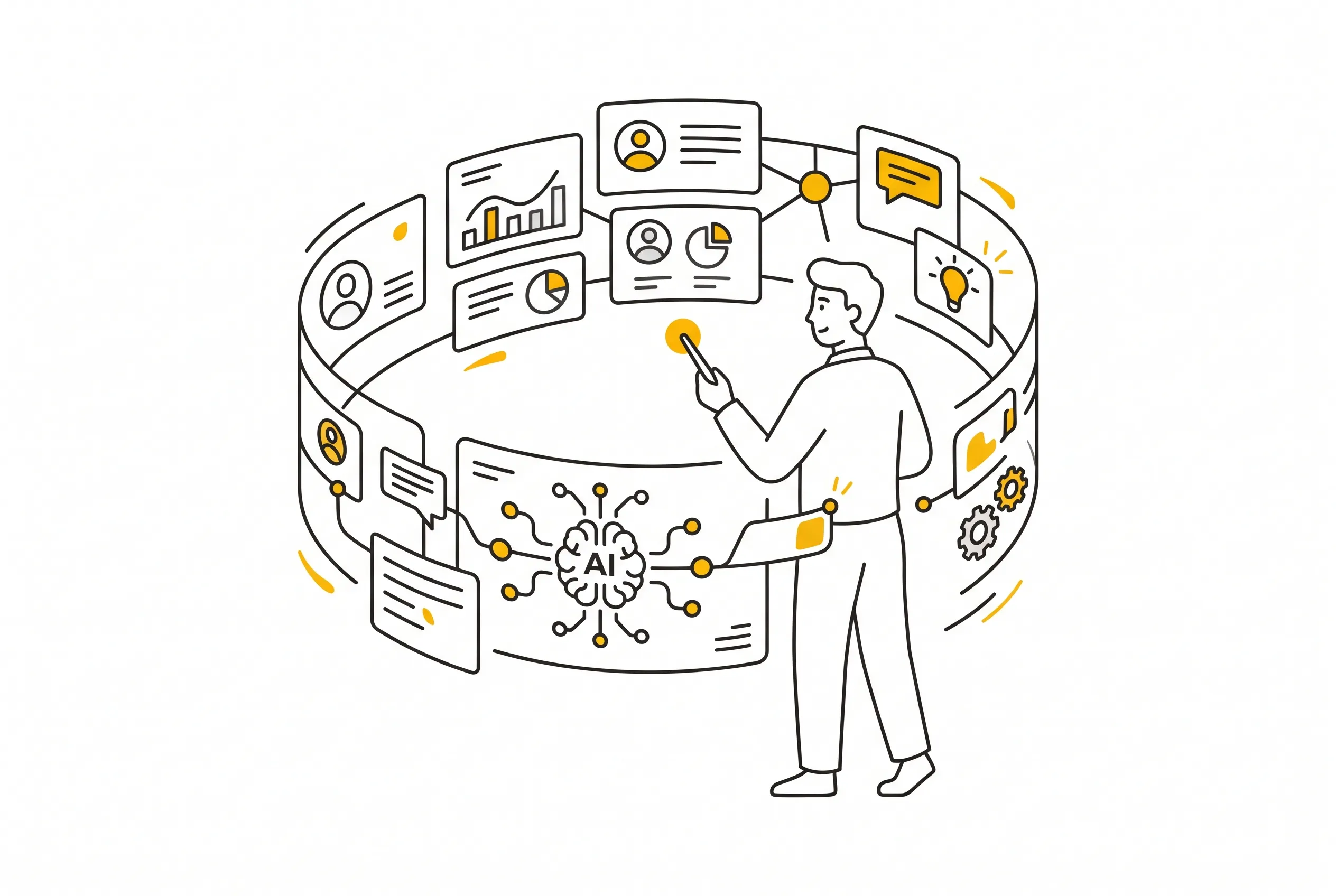
What Is Immersion? A Product Manager's Guide to AI Interfaces
Immersion in UX explained: what it means, how AI-powered interfaces create it, and how product teams should design for it without overreach.
September 28, 2026
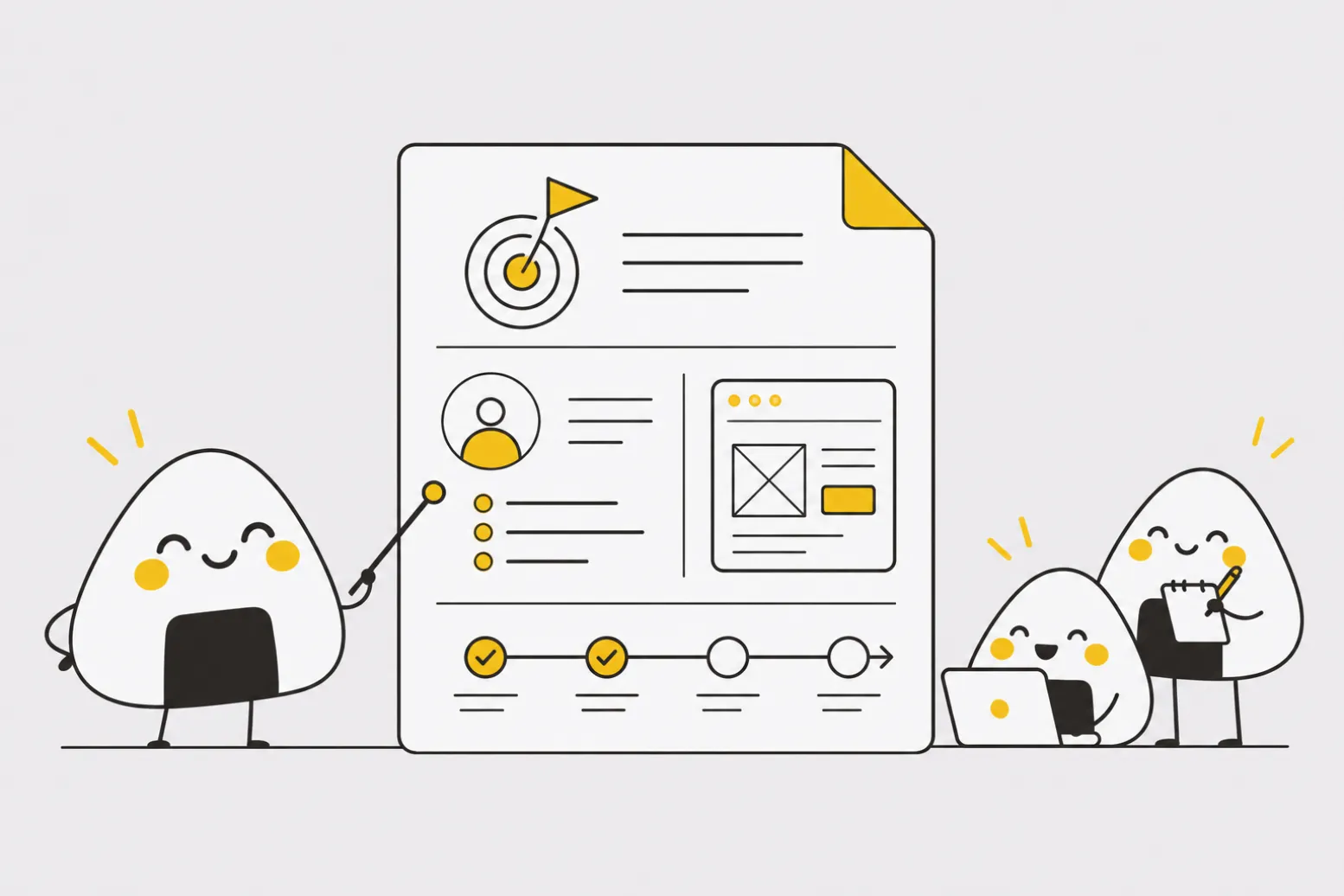
PRD Meaning: What a Product Requirements Document Really Is
PRD meaning explained: what a product requirements document covers, who writes it, and how to build a PRD template your team will actually use.