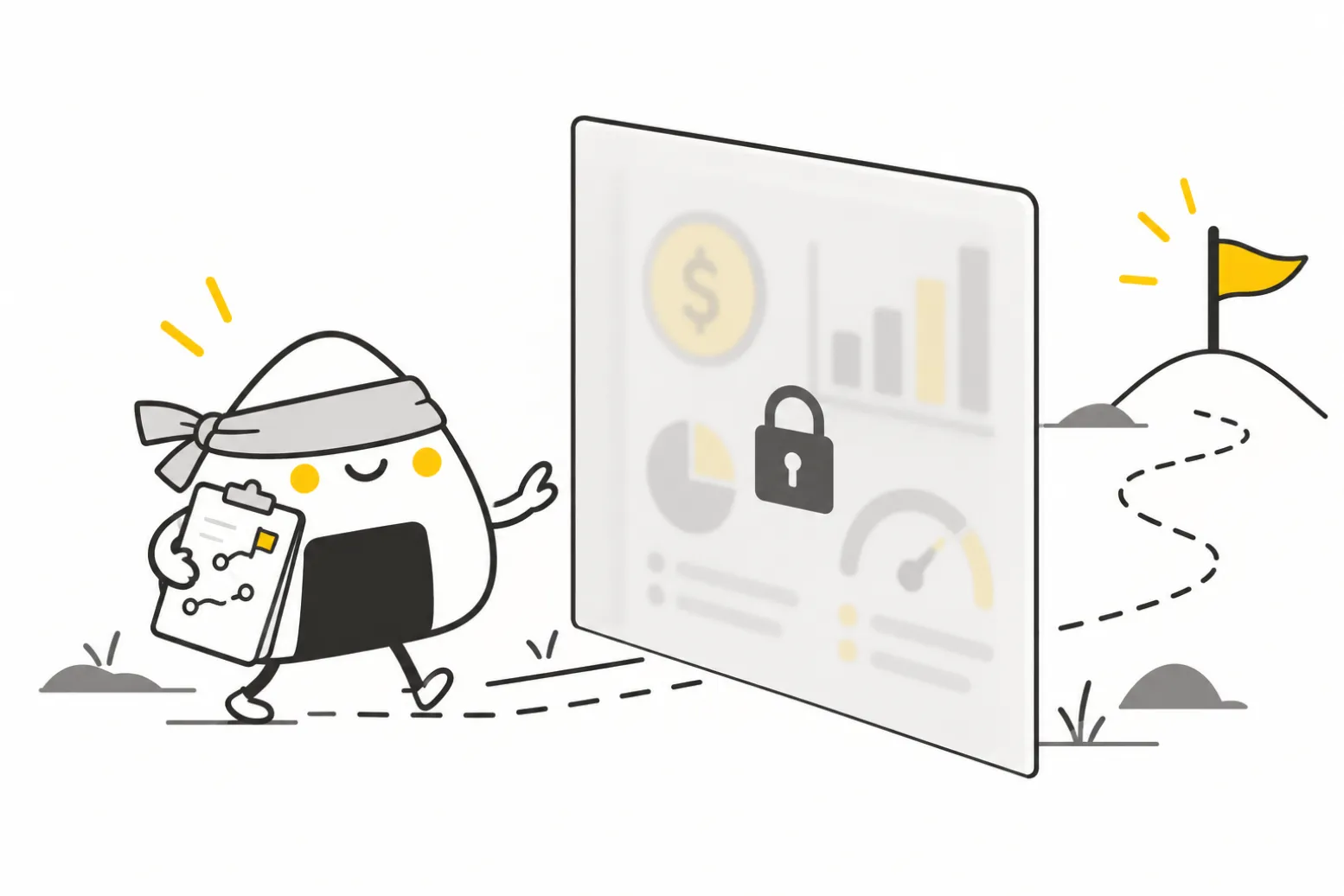

When Autonomy Turns Discovery Into a Trap
Too much autonomy and too much discovery can leave product teams stuck. Hasan Naqvi explains how to spot the trap and get back to making decisions.


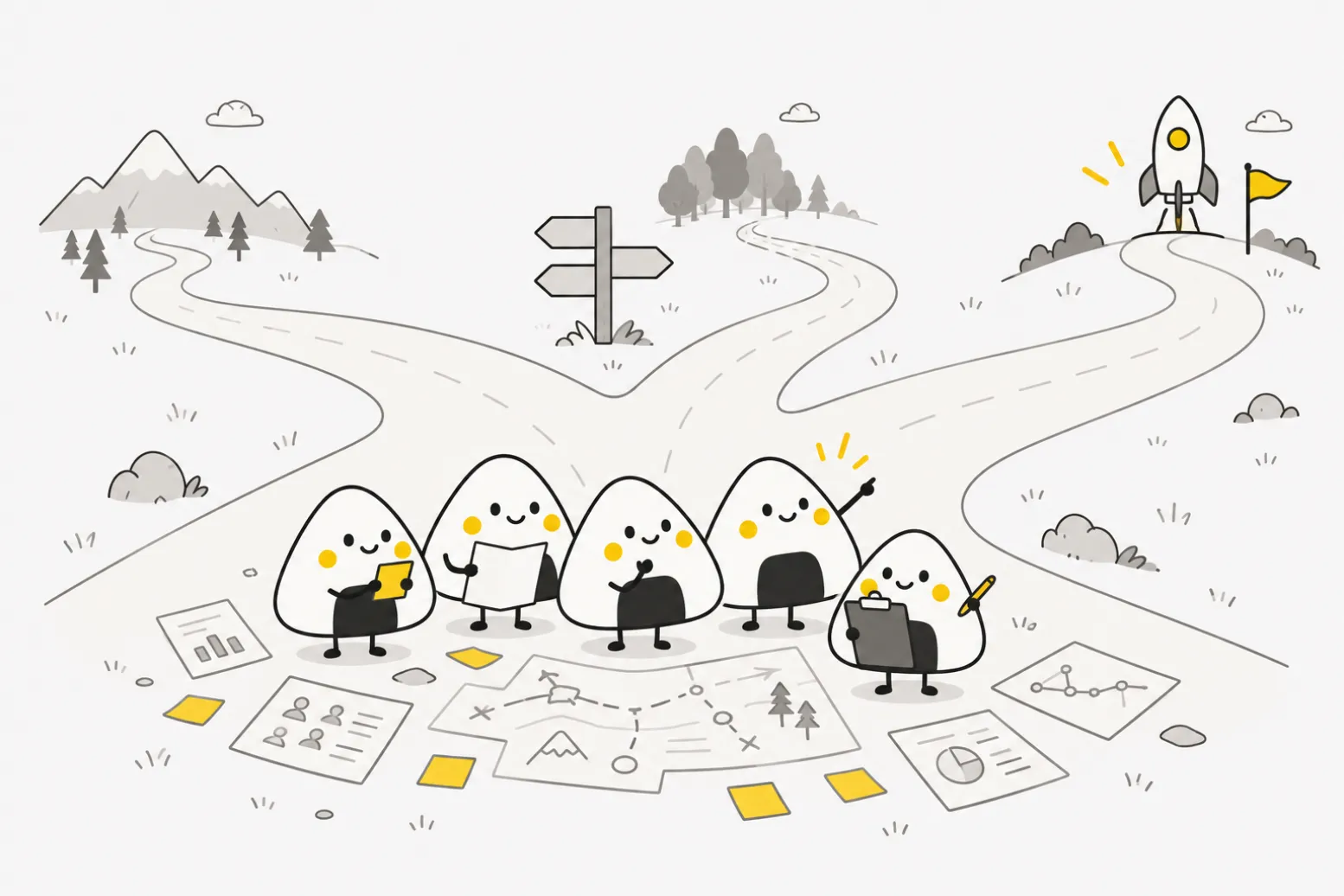
Table of Contents
Over the last decade, the product management community has gone through a big correction, and a much-needed one. For years, many of us worked in "feature factories," where success meant how fast we could build and ship solutions someone else had already decided on. Product Discovery was our answer. We trained ourselves to fall in love with the problem, to obsess over user feedback, and to test our assumptions before anyone wrote a line of code.
At Product People, I've coached and advised cross-functional teams on more than 20 missions across very different sectors. It could be a fast-moving B2C EdTech platform or the complex world of the World Health Organization. Either way, the first request from leadership is often the same: Help us do better discovery.
We all want to avoid building the wrong thing. But in our rush to escape the feature factory, we've accidentally created a new monster. "Good discovery" is often turning into a shield that protects us from making hard decisions. It's a bit like overwatering a houseplant. Your intentions are good, but too much of a good thing will rot the roots.
When autonomy meets an obsession with perfect certainty, the product stalls. Let's look at how the trap gets set and, more importantly, how we can get out of it.
The Autonomy Experiment in a Burning Building
To understand the trap, we have to look at the environment that creates it. Take a well-established B2C scale-up I observed recently. They had been around for a little over a decade and had long been something of a market leader, but in the last couple of years more competitors had started to show up. They were losing market share, and the business was at real commercial risk.
Leadership responded to this threat with an interesting choice. They went all in on a bottom-up approach. Product squads got total autonomy, on the belief that if teams did whatever they thought was right, the company's big goals would eventually move forward.
On paper, that sounds like great modern leadership. We always say we should trust our teams. But context matters. I've also seen the same bottom-up model work well at a healthy, thriving company, where there was room to take creative risks, and some experiments even turned into new business lines. Handing out unlimited autonomy while the house is on fire is risky. With no leader narrowing the problem space, every squad picked something interesting and creative to work on. Shiny objects, mostly. Even when teams believed their work connected to the company's goals, it wasn't moving the needle the way the business needed.
The Illusion of Progress (Analysis Paralysis)
What stood out most about this company wasn't only what they worked on. It was how they worked.
Because the teams were trusted to make their own decisions, the product managers felt huge pressure to get those decisions exactly right. When I looked closely at their daily work, I saw textbook product discovery. Every box was checked. They collected rich user feedback, carefully synthesized insights, researched competitors in detail, and pulled all the right internal analytics.
Four years ago, a younger me would have walked into that office and been blown away. I would have thought, "Oh my god, this looks like a data-driven org. Everything is set up."
Today, looking at the bigger picture, my reaction is different. Wait. We're stuck. Nobody's moving. The product managers had started more discovery than anyone could keep track of, and they still couldn't make a decision. They kept framing the discovery, but nobody knew at what point to pause, accept that there was a judgment to make, and move on.
There were no outcomes. There were no deliverables. There were no results. Chasing perfect information had left them in full analysis paralysis.
Redefining "Good Discovery"
Let's go back to first principles. What is discovery actually for?
Discovery isn't an academic exercise meant to remove 100% of the risk from a launch. That standard is impossible. Discovery exists so you can use data and insights to validate a solution as early as possible in the development process. That validation can come from what competitors already have in the market, from what your users have already tried to tell you, or from some quick prototyping and user testing that gives you a signal. Then you make a calculated judgment call and move on.
We once worked on a B2C marketplace initiative where the question was whether to prioritize accessibility, so that a small group of users could buy items or report bugs in an accessible way.
The immediate solution on the table was to make all the changes and make the whole website accessible. That's the feature-factory reflex: pick a topic and jump straight to building a solution.
Step back and apply practical discovery, though, and other options show up. We realized that, as a temporary fix while we stabilized the wider platform, we could set up a dedicated support line to help these users by hand when they got stuck. Making that trade-off means zooming out and accepting that you don't always need code to solve a user's problem right away. Good discovery pushes you to look for lighter ways to handle the problem.
The Cost of Delivery vs. The Cost of Discovery
At the scale-up, the cost of discovery had grown far bigger than the cost of simply delivering something and getting feedback.
When you spend too long trying to squeeze the "perfect" answer out of your users or your market, you burn runway. Often, especially now with modern software development and the rise of vibe coding, it's much cheaper and faster to build a prototype, ship a small solution, and improve it based on real feedback.
Product management always involves risk. It takes a willingness to say, "We have enough data. We know there are unknowns. Let's go." You can't let market signals write your roadmap for you. At some point, you have to trust your judgment, ship the value, and own the outcome.
TL;DR
As leaders, we need to build a culture where product managers feel safe making judgment calls without complete certainty.
- Autonomy needs direction: Don't give teams a blank canvas when the business is at risk. Narrow the problem space so their discovery goes toward what matters.
- Beware the checklist: Stop judging product maturity by how many discovery frameworks your teams use. Judge it by how quickly they can make confident decisions.
- Balance the scales: If discovery is costing you more than building a version and learning from real feedback would, it's time to make the call.
Discovery is a tool for lighting the way forward. It's not a parking lot where we hide from the responsibility of shipping. Let's trust our data, and let's remember to trust ourselves too.

Interested in working with us?
Our Interim/Fractional Product Managers, Owners, and Leaders quickly fill gaps, scale your team, or lead key initiatives during transitions. We onboard swiftly, align teams, and deliver results.
Read More Posts
September 28, 2026
You Can't Ask Product Managers to Think Like Owners and Hide the Numbers
Leaders want Product Managers to think like owners but hide the numbers. Learn why that fails and how to build a simple business case without full access.
September 28, 2026
PRD Meaning: What a Product Requirements Document Really Is
PRD meaning explained: what a product requirements document covers, who writes it, and how to build a PRD template your team will actually use.
September 25, 2026
What Are Roadmaps? A Practical Guide for Product Teams
Roadmaps align teams around what matters most. Learn what a product roadmap is, what belongs on it, and where Jira Advanced Roadmaps fits in.