

Define Functionality: What It Means in Product Management
Define functionality the way product teams actually use it, how it differs from features and capabilities, and why the difference matters.


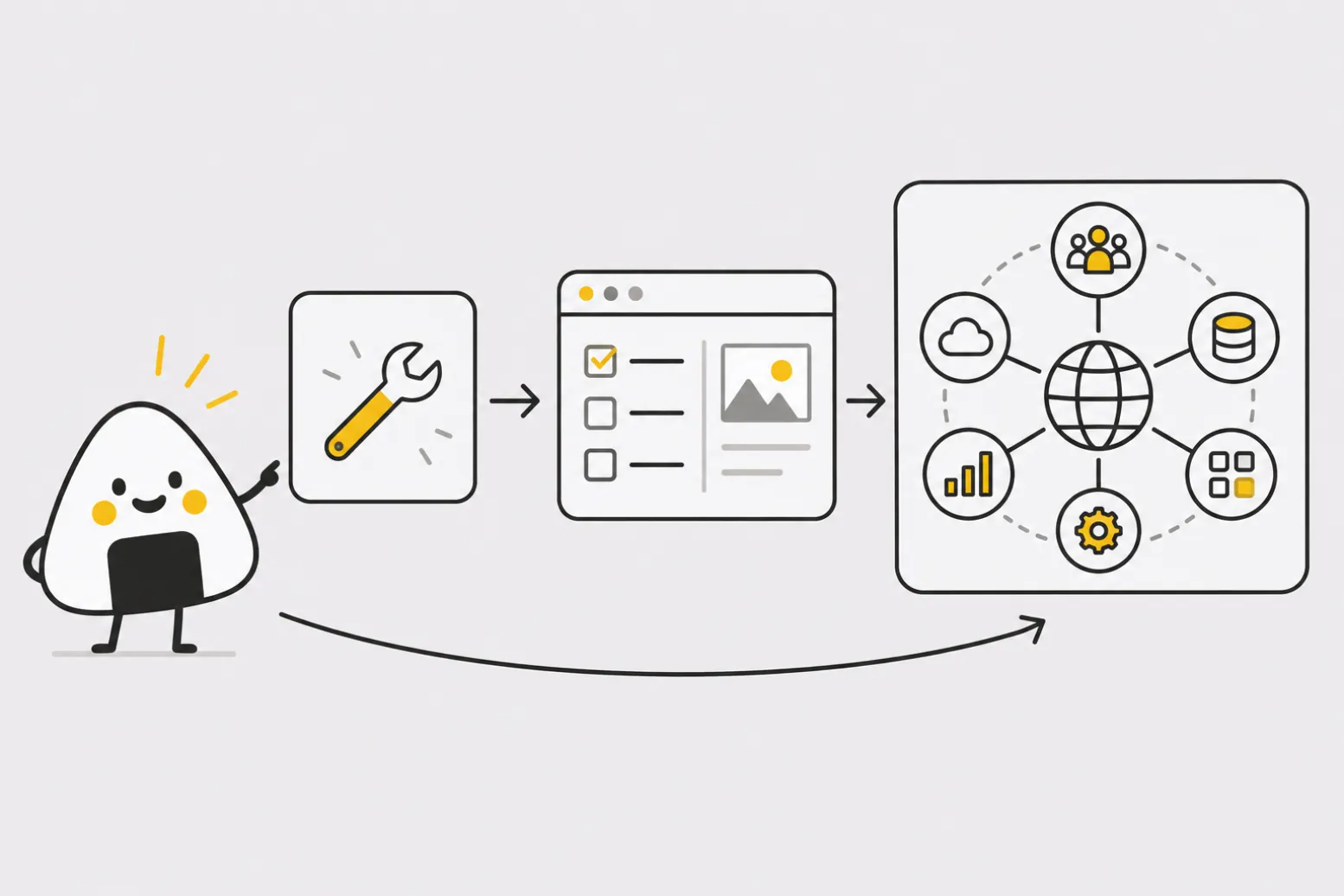
Table of Contents
Functionality is what a product actually does once someone clicks the button: the calculation that runs, the record that saves, the message that goes out. It is not the label on a roadmap slide, and it is not the vague promise of what a system could someday support. That distinction sounds pedantic until you are three weeks into a sprint and an engineer asks, reasonably, what the ticket "add export functionality" is actually supposed to output.
The confusion is not really a vocabulary problem. It is a planning problem. Teams that treat "feature," "capability," and "functionality" as interchangeable end up scoping the wrong thing, then arguing later about why the estimate was off or why QA signed off on something half the stakeholders didn't expect.
Getting the terms straight first makes the rest of the conversation, prioritization, staffing, sign-off, move faster. The differences are easiest to see side by side, starting with what functionality means on its own, then how it relates to cross-functional teams and to capability.
What Product Functionality Actually Means
Product functionality is the set of operations a system performs to do a specific job: search a database, calculate a price, send a notification, export a file. It is behavior, not packaging. A feature is the unit a team decides to ship, usually with a name, a release note, and a place in the UI. The functionality is what happens underneath once someone uses it.
This is why "the app doesn't work" tickets are so maddening to triage. Half the time the feature is fine, the button is there, the screen loads, but a specific piece of functionality inside it is broken: the discount code doesn't apply, the CSV export drops a column, the notification fires twice. Naming the functionality precisely, instead of the feature it lives inside, is usually what gets the bug fixed on the first pass instead of the third.
It also changes how you write requirements. A product requirements document that says "add reporting" is asking for a feature. One that says "generate a weekly CSV export of active-user counts, grouped by plan tier" is specifying functionality, and it is the version an engineer can actually estimate.
There is a financial argument for being this specific, too. Pendo's feature adoption benchmarking, based on aggregated usage data across roughly 6,800 of its customers, found that around 6% of a typical product's features drive 80% of clicks, while the rest go largely untouched. Most of what teams build is functionality nobody asked to have increased. Defining exactly what a piece of functionality is supposed to do before it ships is one of the few checks that catches this early, before it becomes a line item nobody wants to be responsible for removing.
None of this means functionality has to be flashy. Some of the most-used functionality in any product is the boring kind: saving a draft, resetting a password, loading the next page of results. Product teams that obsess over new functionality while neglecting these basics tend to accumulate support tickets faster than they accumulate happy users.
Where Cross-Functionality Fits on a Team
Cross-functionality describes people, not code, and mixing it up with product functionality is a separate but common mistake. A cross-functional team is one that has the skills it needs internally, design, engineering, data, sometimes marketing, so it can ship a piece of functionality end to end without waiting on a different department's sprint calendar.
I once watched a "cross-functional" squad spend six weeks stalled because nobody on it could write the SQL needed to validate a reporting change. The team had a designer, two engineers, and a product manager, everyone assumed data expertise was covered somewhere. It wasn't. The team was cross-functional on paper and single-threaded in practice, and the gap only showed up once the functionality in question actually needed to be built.
That is the practical test for whether a team is genuinely cross-functional: not whether the org chart lists different job titles, but whether the team can take a defined piece of functionality from idea to shipped without a handoff to a group outside the room. Teams built around a feature roadmap rather than around a narrow specialty tend to get this right more often, because the roadmap forces the staffing conversation early instead of at the point of failure.
Cross-functionality also affects how functionality gets prioritized. A team with a data person in the room will catch that "export functionality" needs a rate limit before a customer's automated script hammers the endpoint. A team without one finds out in production. The skill gap doesn't show up in a backlog review, it shows up the moment specific functionality gets built and someone realizes a perspective was missing from the conversation that shaped it.
Capability vs Functionality in Practice
Capability is the broader term, and the distinction matters more than it sounds like it should. The Scaled Agile Framework's official definition puts a fine point on it: a feature delivers functionality sized to be built within a single iteration, while a capability represents a larger grouping of related functionality whose delivery typically spans multiple teams and iterations. In other words, functionality is the individual unit, and capability is what you get once enough units are stitched together to support a business outcome.
A concrete example: "search" is a piece of functionality. "Self-service customer support" is a capability, and it needs search functionality plus a knowledge base, a ticketing handoff, and probably a chatbot to actually exist. Confuse the two and a stakeholder ends up asking for "self-service support" in a two-week sprint, when what they are really asking for is months of coordinated functionality across several teams.
This distinction is also where the business case gets made. McKinsey's research on the product operating model found that companies with more mature product practices, including how clearly they define and sequence capabilities, delivered 60% greater total shareholder returns and 16% higher operating margins than their less mature peers. That gap doesn't come from shipping more functionality faster. It comes from knowing which capability a given piece of functionality is actually in service of, so teams stop building things that look impressive in a demo and don't add up to anything a customer would pay more for.
The practical habit worth building: before approving work, ask which capability it belongs to. If nobody can answer, the functionality being requested is probably solving a problem in isolation, and it will need to be redone later once the real capability gets defined.
FAQ
Conclusion
None of these terms need a glossary taped to the wall. They need a habit: when someone asks for "a feature," ask what functionality it is supposed to perform, and which capability that functionality is meant to serve. Most scoping arguments collapse once that chain is spelled out, because it turns out the disagreement was never about the work, it was about which of the three words everyone thought they were using.
Start with the next request that lands in your backlog. Before it gets sized, write down the specific functionality in one sentence and name the capability it feeds. If either one is missing, the ticket isn't ready yet.

Interested in working with us?
Our Interim/Fractional Product Managers, Owners, and Leaders quickly fill gaps, scale your team, or lead key initiatives during transitions. We onboard swiftly, align teams, and deliver results.
Read More Posts
October 19, 2026
How a Convenience Survey Works and When to Trust the Results
A convenience survey is fast and cheap, but easy to misread. Learn how convenience sampling works, where it misleads, and when product teams can use it.

October 19, 2026
Usability Testing: Methods, Types, Tools and Examples
Usability testing shows where real users get stuck. Learn the main types and methods, which tools to use, and how to run a first test this week.
October 20, 2026
Some CPOs are more CPOs than others
Influence can take a product leader part of the way. How far they get depends on the mandate behind them, and that gets settled before day one.