
Why Mindset and Emotional Intelligence Define Senior Product Leaders
Years of experience don't predict great product leaders. Emotional intelligence, context, and first-principles thinking do. Here's what actually separates good from great.



Table of Contents
Over the last 8+ years building digital products in complex, regulated spaces like FinTech, HealthTech, and EdTech, I've read more product management resumes than I can count. Spotting truly great senior talent never gets easier. If anything, the puzzle changes shape every year.
It's tempting to use a big company name or a high number of years as your filter. If someone shipped features at a tech giant, surely they'll succeed with us too, right? But building products isn't a copy-paste job. What worked there doesn't always work here.
When we look at senior product roles today, we try to look past textbook knowledge. We look for the harder-to-spot stuff: emotional intelligence, judgment, and how someone actually handles a room full of stakeholders who all want different things.
TL;DR: A polished resume tells you a candidate succeeded in their old context. Potential, first principles thinking, and emotional intelligence tell you how they'll handle yours.
The Diminishing Returns of "Years of Experience"
Think of years of experience like adding hot sauce to a dish. A little transforms it. After a certain point, more doesn't make it better, it just makes your eyes water.
At zero years, there's a steep learning curve. The candidate is still figuring out how a professional environment even works, full stop. Give them a couple of years, though, and something shifts. They know how to talk to other professionals, deal with a boss, and handle the everyday mess of office life. That's the sweet spot.
Go too far the other way, and we get cautious. Someone who's spent over a decade at one company raises a flag for us, not because they aren't good, but because our world moves fast. In interim product management and consulting, we ask our teams to jump from one context to a completely different one every three to eighteen months. Ten years in the same seat doesn't exactly train you for that kind of whiplash.
So we try to cut the extremes. Not too little experience, not too much of the same thing. We treat the resume as a loose guide, not a verdict, and let the rest of our process do the talking.
TL;DR: Experience follows a bell curve. Too little and there's a steep climb ahead. Too much in one place and adaptability becomes the question mark.
Context is Everything: The Big Tech Trap
One of our most common mistakes is assuming success travels well. I've watched excellent product managers come from places like Uber and Google, then struggle hard in a startup.
On paper, they were fantastic. Real outcomes, real complexity solved. But the context they walked into wasn't the one they came from. I remember one candidate with a great zero-to-one track record and solid MVP experience. They landed in a scale-up environment that needed heavy coordination across dozens of teams, and it was a bit like taking a Formula One driver and handing them the keys to a school bus. Same underlying skill, completely different job. The approach that worked with a team of 10 fell apart with a team of 100.
They left. Not because they were a bad PM. Because they were in the wrong place at the wrong time.
TL;DR: A candidate struggling in a new role rarely means they were bad at the job. It usually means their toolkit didn't match the environment they landed in.
A Story of Unexpected Resilience
Sometimes the person who looks the least promising on paper surprises you the most. We once brought on a junior associate with a finance background, an introverted personality, and almost no tech experience. Through no fault of ours or theirs, they got thrown straight into a project with a genuinely tough, unsupportive client.
Honestly, I would have understood if they'd tapped out. Instead, the pressure made them sharper. They didn't take the harsh feedback personally. They stayed patient, reflective, and creative, even experimenting with AI tools to find new ways to bring difficult stakeholders on side. They handled the human side of the job with real grace, and they're still one of our strongest people today.
TL;DR: Give someone patience and emotional resilience, and they'll outlast a perfect resume once things get hard.
First-Principles Thinking in the Age of AI
The way we build products keeps changing, and I'm more convinced every year that raw years of experience will matter less. PMs used to get hired because they had "the answer" from somewhere else. Now that information is everywhere, and AI tools are everywhere too, having the right answer matters less than having the right mindset.
Heavy domain knowledge can even work against you. It can make you blind to other, more creative options. The skills getting more valuable are the human ones. You can memorize every stakeholder management framework out there, but if you can't read what's actually driving someone's behavior, none of it helps.
It comes down to first principles thinking. There's real value in just pausing, thinking, and connecting the dots between the market, the competition, and what's happening inside your own walls. No app does that part for you yet.
TL;DR: Stop hiring PMs for the answers they already have. Hire them for how they think when they don't.

Interested in working with us?
Our Interim/Fractional Product Managers, Owners, and Leaders quickly fill gaps, scale your team, or lead key initiatives during transitions. We onboard swiftly, align teams, and deliver results.
Read More Posts
July 17, 2026
Product Stickiness: Definition, Metrics, and How to Improve It
Product stickiness measures how often users return to your product. Learn the DAU/MAU formula, real benchmarks, and how to improve it.
October 1, 2026
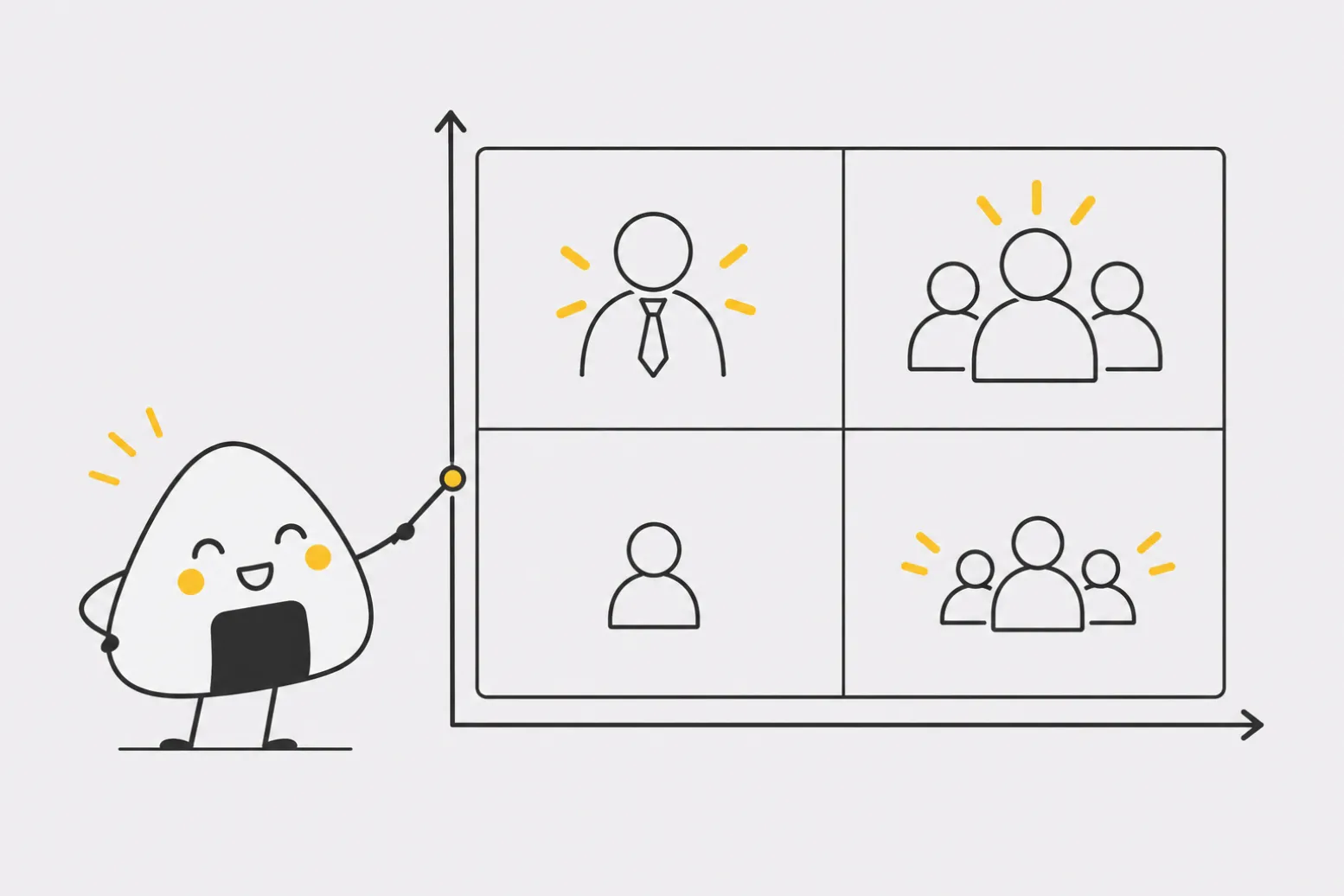
How to Map and Manage Stakeholders with Mendelow's Matrix
Mendelow's matrix sorts stakeholders by power and interest. Learn the four quadrants, see a worked product example, and avoid the common mapping mistakes.
July 3, 2026
Product Management Explained: Roles, Salary, and Skills
Product management defines what to build and why. Learn the role, salary ranges, interview prep, and books every product manager should know.