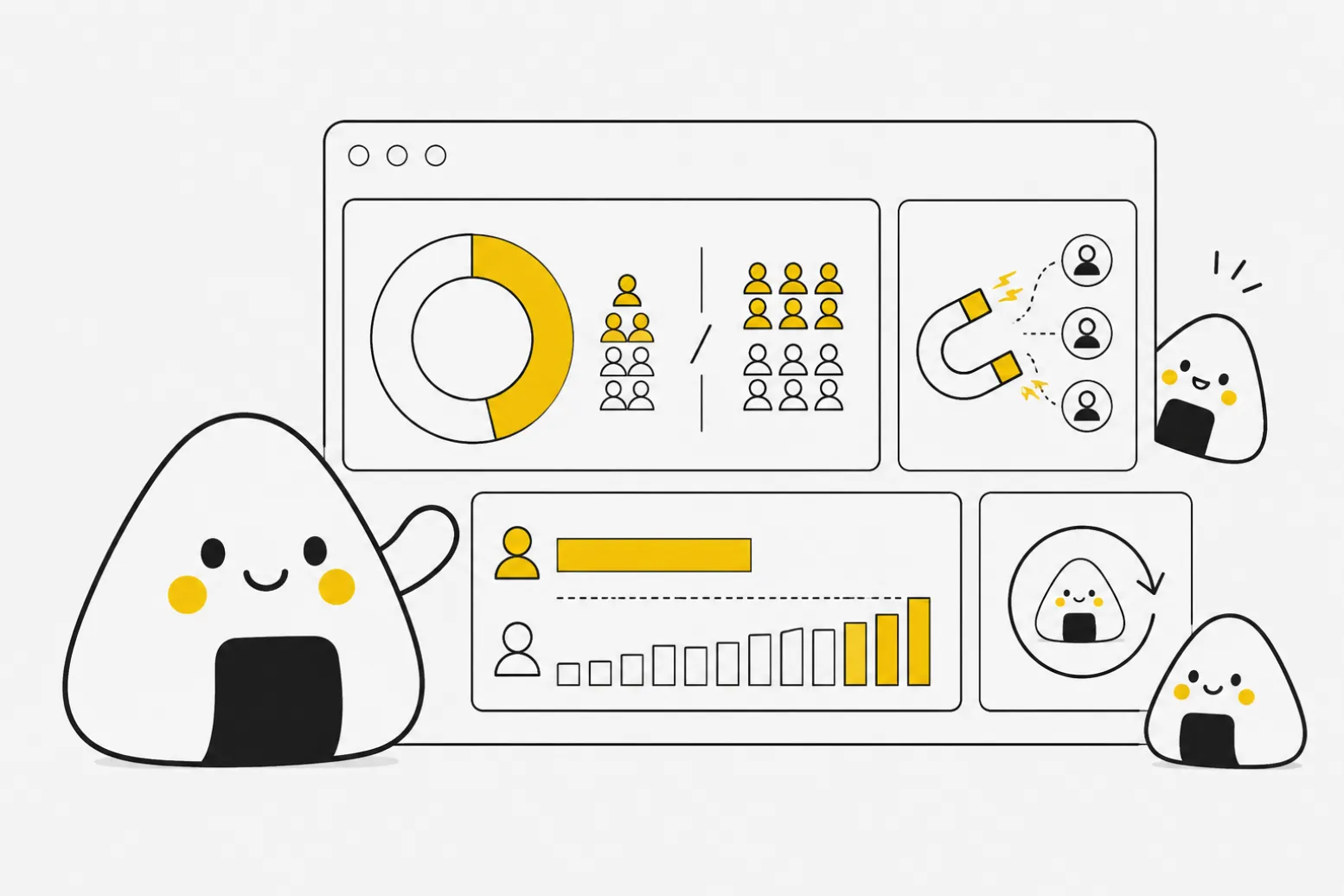

Beta Testing: What It Is and How to Run It Right
Beta testing validates software with real users before launch. Learn what it means, how it differs from alpha testing, and how to run it right.


Table of Contents
Audio
Beta testing is the phase where a product reaches real users for the first time before it goes live publicly. It sits between internal quality checks and general availability, and it is the last realistic chance product teams have to catch what they missed. Teams that skip this step routinely discover friction, confusion, and outright failures only after the damage is done.
Most software ships with more assumptions than certainties. Internal teams know the product too well. They use shortcuts without realizing it, overlook confusing UI patterns, and test under familiar conditions. Beta testers come in cold, with no institutional knowledge, which is exactly the way real customers will. That difference in perspective is the whole point.
This article covers what beta testing means, how it differs from alpha testing, how to find and work with beta testers, and what separates a program that generates actionable insight from one that just delays shipping.
Beta Testing Meaning: More Than a Bug Hunt
The beta testing meaning most teams start with is narrow: find bugs before launch. That is part of it. But a well-run beta program does considerably more than surface crashes and error states. It validates that the product works the way real people expect it to, not just the way engineers built it to.
Beta testing happens after the product is feature-complete but before public release. During this phase, a selected group of external users interacts with the product under real-world conditions, on their own devices, through their own workflows, with their own edge cases, and reports back what they find.
The feedback that comes out of a rigorous beta covers usability issues, performance gaps, feature confusion, and sometimes entirely unexpected use cases. Those surprises are valuable. A structured product discovery process equips teams to ask the right questions early; beta testing is where the market begins answering on its own terms.
According to MIT Professional Education, citing research from Harvard Business School, roughly 95% of new products miss the mark. One of the most consistent reasons is that products are built without genuine alignment to customer needs. Beta testing addresses this directly by stress-testing assumptions in conditions no internal QA environment can replicate.
There are two main beta formats:
- Open beta: Anyone can participate. Maximizes reach and volume of feedback but sacrifices control over who is testing.
- Closed beta: Access is limited to a curated group. Produces more structured, targeted insight because testers are screened in advance.
Most B2B product teams run closed betas because the user profiles matter too much to leave to chance. Comparing testing approaches, from open to closed, compensated to uncompensated, short sprint to extended program, is worthwhile. The right format usually depends on how mature the product is and how specific the feedback questions are.
Alpha Beta Testing: Two Phases, One Goal
Alpha and beta testing are distinct phases that teams sometimes blur in practice. Understanding the difference matters because they serve different purposes and require different resources.
Alpha testing is internal. It happens before the product is feature-complete, typically run by engineering or QA in a controlled environment. The goal is to catch fundamental bugs, validate core functionality, and confirm the product is stable enough for outside eyes. Alpha is where logic errors and integration failures get caught, not where you learn about user confusion.
Beta testing is external. It happens once the product is feature-complete and involves a curated set of real users. The environment is no longer controlled. Testers use their own hardware, operating systems, internet connections, and workflows. That variability is the point.
Research published in Communications of the ACM found that beta testers behave measurably differently from regular users, including how they report issues, how frequently they engage with new features, and what device configurations they use. That gap matters when selecting testers: they need to be representative of your actual target audience, not just whoever volunteers.
A common mistake is treating alpha as optional when a product feels ready for beta. Skipping alpha means taking bugs that engineering could have caught internally and dropping them in front of users who are forming their first impressions. That cost goes beyond wasted tester time. It shapes whether early users trust the product at all.
Both phases share the same end goal: shipping a product that works and that people will use. Alpha gets you to stable. Beta gets you to ready.
Building Your Beta Testers Program That Delivers
Beta testers are the people your program lives or dies on. The most common mistake is treating tester recruitment as an afterthought, releasing a sign-up form and taking whoever shows up. The problem is that enthusiastic early adopters differ significantly from typical users. They are more forgiving, more technically confident, and more likely to work around friction that would stop a regular customer cold.
Good tester selection starts with your target persona. If you are building a tool for operations teams at mid-market B2B companies, your testers should match that profile closely. Diversity in device type, workflow, technical literacy, and industry tends to deliver more value than sheer volume.
Testing product assumptions before beta and validating them through structured feedback creates a compounding loop. Each testing round reduces the unknowns the next phase has to cover.
Running a beta program that actually delivers insight comes down to four moves:
- Define the feedback you need. Write specific questions you want answered, not just "tell us what you think."
- Recruit to your persona. Screen applicants and confirm they represent the users you are building for.
- Build clear feedback channels. In-app prompts, structured surveys, and direct interviews each serve different purposes. Use more than one.
- Close the loop. Tell testers what changed based on their input. This increases engagement and builds early advocacy that carries into launch.
An IEEE survey on industry software testing practices found that teams moving toward more rigorous external testing reported better alignment between what developers built and what users actually needed. Beta programs formalize that alignment before it is too late to act on it.
One more practical note: keep beta programs time-bound. Open-ended programs lose momentum quickly. A defined four to eight week window with a clear end date keeps testers engaged and gives product teams a forcing function to act on feedback before it goes stale.
FAQ
Conclusion
Beta testing is not a final checkpoint before launch. It is a structured mechanism for reality-testing the assumptions your team made in the months before anyone outside the building touched the product. Getting that feedback early, from the right people, with the right questions, is what separates a confident launch from a costly one.
If your team is approaching a feature release or product launch without a beta program in place, now is the time to build one. Start small, recruit deliberately, and treat every piece of feedback as a signal worth taking seriously.

Interested in working with us?
Our Interim/Fractional Product Managers, Owners, and Leaders quickly fill gaps, scale your team, or lead key initiatives during transitions. We onboard swiftly, align teams, and deliver results.
Read More Posts
July 17, 2026
Product Stickiness: Definition, Metrics, and How to Improve It
Product stickiness measures how often users return to your product. Learn the DAU/MAU formula, real benchmarks, and how to improve it.
October 1, 2026
How to Map and Manage Stakeholders with Mendelow's Matrix
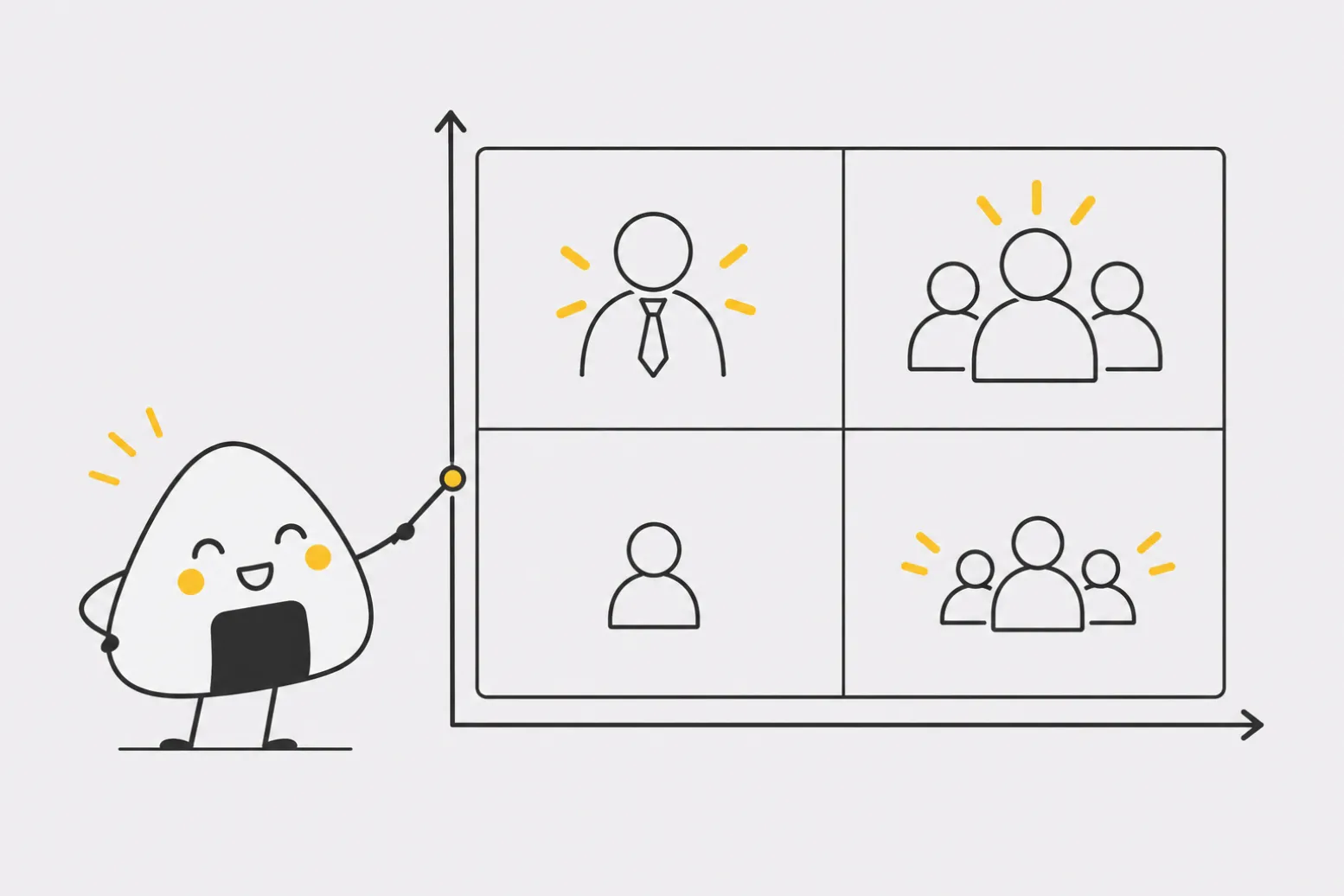
Mendelow's matrix sorts stakeholders by power and interest. Learn the four quadrants, see a worked product example, and avoid the common mapping mistakes.

July 3, 2026
Product Management Explained: Roles, Salary, and Skills
Product management defines what to build and why. Learn the role, salary ranges, interview prep, and books every product manager should know.