

The ROI of Inaction: Why Strategic Laziness is the Ultimate Product Leadership Lever
Learn how to leverage strategic laziness to become a better product leader and empower your team.


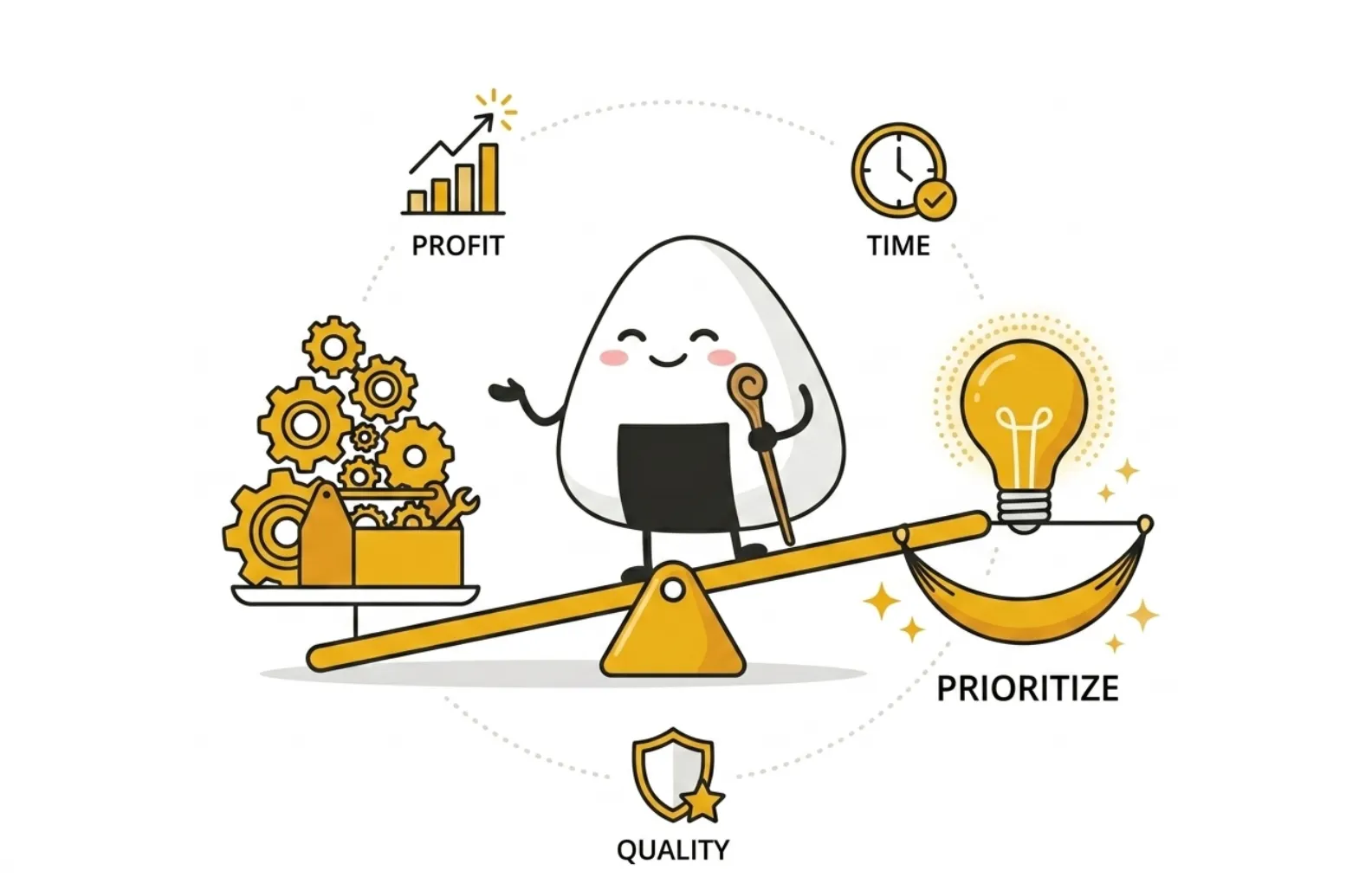
Table of Contents
By Dr. Viktoria Korzhova
In the high-pressure world of product management, we are conditioned to believe that more is better. More features, more meetings, more oversight, and more hustle. As a leader, it is incredibly easy to fall into the Hero Trap: the belief that your value is tied to your availability to solve every problem and your presence in every Slack thread.
However, with a background in neuroscience and years spent scaling Product People, I’ve come to realize that the most successful leaders aren't the most active; they are the most strategically lazy.
This isn’t about negligence. It’s about ROI. In neuroscience, we understand that the brain’s evolutionary old system (the amygdala) is hardwired for immediate reaction. When a client complains, or a deadline looms, your biology screams at you to jump in. But true leadership requires a manual override of that impulse. It requires understanding that every time you poke your nose into a team’s process, you aren't just helping; you are devaluing your own investment in their growth.
The Liability of the Helpful Leader
There are only two scenarios where a leader should be hands-on. First, when the goal is mentorship, aka working alongside a team member to build their muscle memory so that eventually, they can perform the task better than you. Second, in a genuine crisis where the business's long-term survival is at risk.
The mistake most leaders make is misidentifying high-stakes challenges as crises. Unless you are a firefighter or an emergency surgeon, very few things in product management are matters of life and death. When we react emotionally to a routine business hurdle, we remove autonomy and ownership from our teams. We incapacitate them. If you solve every problem, your team never develops the neural pathways required for independent decision-making. You aren't being a servant leader; you are being a bottleneck.
The Servant Leadership Trap
The industry often praises Servant Leadership as the ideal: the leader who clears every obstacle so the team can smoothly sail. While well-intentioned, this is often a recipe for fragile teams.
Growth only happens through challenge. If a leader acts as a human snow-plow, removing every flake of difficulty, the team becomes bored and stagnant. Innovation thrives in a complex space where different ideas and opinions clash. By leaving some obstacles in place, you force your team to think creatively. You transition from an operational fixer to a strategic facilitator. If you want a high-ROI team, you have to let them struggle enough to build resilience.
Decoupling Quality from Opinion
One of the hardest hurdles for senior leaders is the Quality Paradox. We worry that if we aren't there to maintain our personal standards, the brand will suffer. But the real mistake is equating quality with your own opinion.
Just because you have a PhD or a decade of experience doesn't mean your way is always the best way. To scale a company like Product People (where I’ve supervised over 50 missions) I’ve had to learn to implement ideas that weren't mine just to see if they worked better.
Instead of correcting small issues, I look for patterns. If a team member consistently misses a specific perspective, I don't tell them "do X instead of Y." I explain the why. I upgrade their mental models. When you teach the logic behind a decision, you are giving the team a framework they can use a thousand times, rather than a solution they can use once.
The Tuesday Morning Metric: More with Less
So, what does a lazy leader do with their time? If you aren't fighting fires, you are finally free to engage in high-leverage thinking.
For me, this boils down to one recurring question: "How can we achieve the same (or better) results with less time, effort, and money?" When things are smooth sailing, that is precisely the time to optimize. I obsess over gathering data to answer specific strategic questions rather than just drowning in dashboards. I also intentionally seek out contrarian friction. I look for ideas that sound stupid or too radical and ask, "If this were true, what would it mean for us?"
The Call to Action: Audit Your Busyness
Strategic laziness is a choice. It is the choice to value long-term team autonomy over short-term personal ego.
The next time you feel the urge to jump into a thread or fix a deliverable, pause. Ask yourself: Is this a life-threatening crisis, or is it a growth opportunity for my team? If you want to scale, you have to be willing to step back, observe from the sidelines, and let the burning happen. Your ROI (and your team's future) depends on your ability to stay out of the way.

Interested in working with us?
Our Interim/Fractional Product Managers, Owners, and Leaders quickly fill gaps, scale your team, or lead key initiatives during transitions. We onboard swiftly, align teams, and deliver results.
Read More Posts
October 7, 2026
Monetized Products: What It Means and How to Plan Yours
A monetized product earns revenue from the value it delivers. Learn how to build a monetization strategy for software and apps, and which model fits.
October 5, 2026
Value Proposition: What It Is and How to Write One That Sells
A value proposition tells a specific customer why your product beats their current option. Learn the meaning, canvas examples, and how to test yours.
October 1, 2026
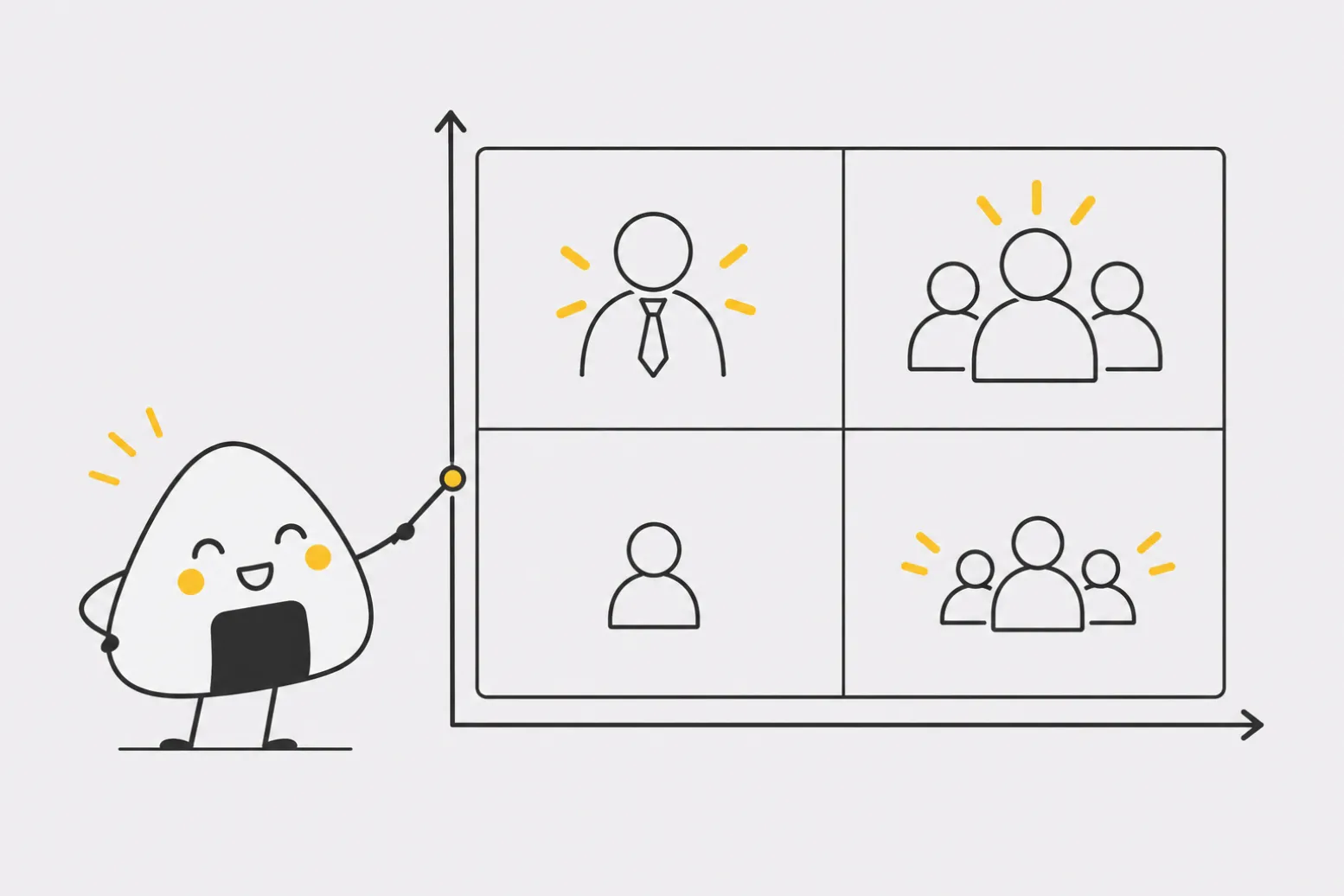
How to Map and Manage Stakeholders with Mendelow's Matrix
Mendelow's matrix sorts stakeholders by power and interest. Learn the four quadrants, see a worked product example, and avoid the common mapping mistakes.