

Churn Meaning: Customer Churn Explained for Product Teams
Learn what churn means in business, how to calculate your customer churn rate, and which strategies cut attrition most effectively.


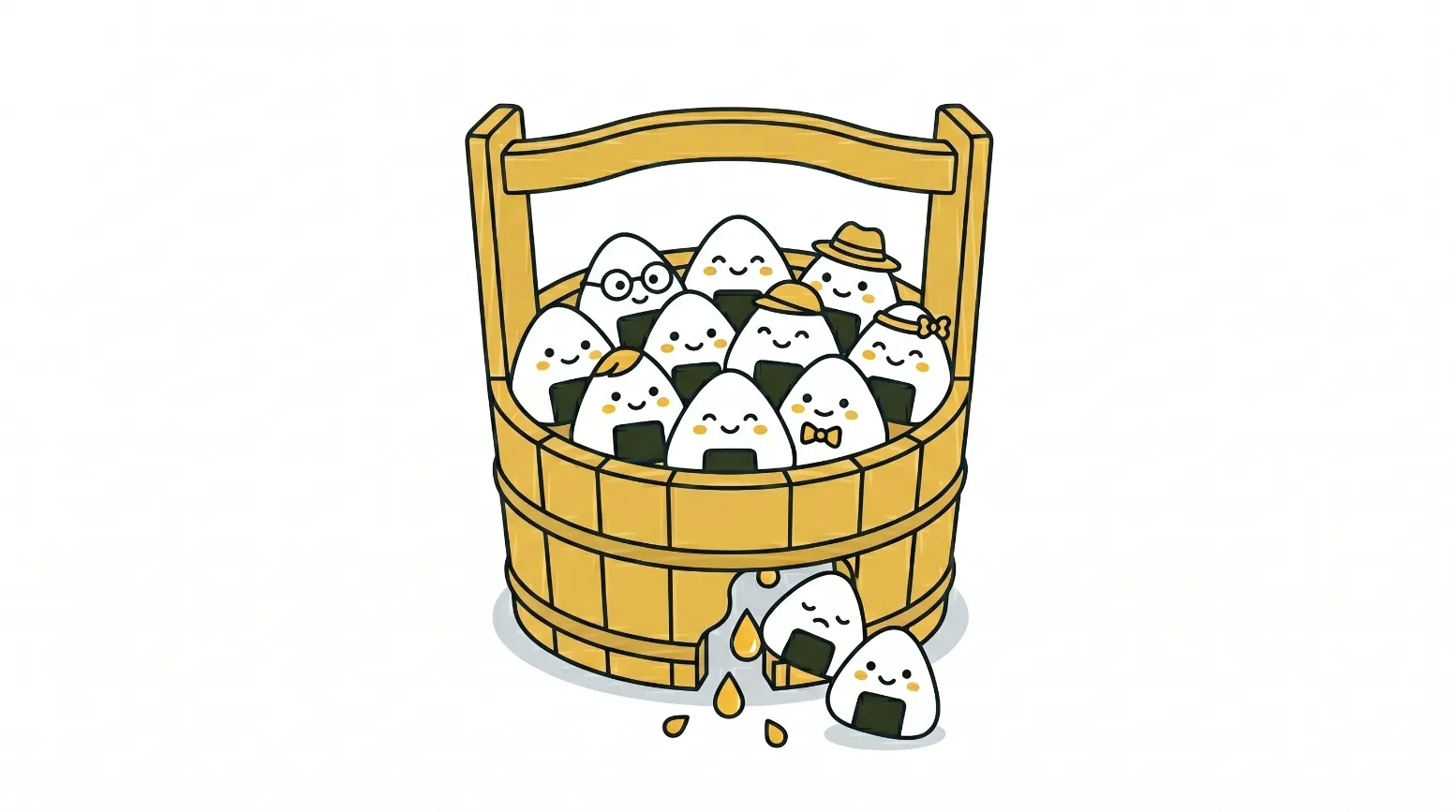
Table of Contents
Churn meaning, in business terms, is simple: it is the percentage of customers who stop using a product or service within a defined time period. If you started a month with 200 customers and ended it with 190, your customer churn rate is 5%. That number, however modest it looks, compounds fast. At 5% monthly churn, a product retains fewer than half its original customers within a year.
For product managers and growth teams, churn is more than a retention metric. It is a diagnostic signal. High churn indicates that the product is failing to deliver enough sustained value to keep customers engaged, or that a competitor is making a stronger case. Low churn, by contrast, is one of the most reliable indicators of product-market fit. It tells you that customers find the product worth paying for, month after month.
Understanding what customer churn means, how to measure it accurately, and how to act on the signals it surfaces is foundational to any sustainable product strategy.
Customer Churn Analysis: What the Numbers Reveal
Customer churn analysis is the process of understanding who is leaving, when they leave, and why. The goal is to turn churn from a lagging indicator into something predictable and actionable.
Two distinct metrics fall under the churn umbrella, and confusing them leads to the wrong conclusions:
- Logo churn (also called customer churn): the raw percentage of accounts lost in a period
- Revenue churn (also called MRR churn or gross revenue churn): the percentage of recurring revenue lost
A product can have low logo churn and high revenue churn if it is losing its largest accounts at a higher rate. For most B2B product teams, revenue churn carries more weight because it directly reflects the financial impact of attrition.
The calculation is straightforward:
Churn rate = (Customers lost in period / Customers at start of period) x 100
Industry benchmarks vary by sector and customer segment. For B2B SaaS, a monthly churn rate below 1% is generally considered healthy, equating to under 12% annually. SMB-focused products typically see monthly churn between 3% and 5%. Enterprise products tend to operate sustainably at lower rates because account expansion revenue often offsets losses.
The business case for managing churn is well established. Research from Bain & Company shows that a 5% improvement in retention can increase profits by 25% to 95%, depending on the industry. Retained customers cost less to serve, spend more over time, and are more likely to refer others.
Running thorough customer churn analysis means going beyond the headline number. Segment churned users by acquisition channel, pricing tier, feature adoption, and onboarding completion rate. Understanding your customer retention rate at that level of granularity transforms churn from a frustrating outcome into a specific set of fixable problems.
How to Reduce Customer Churn Before It Compounds
Reducing customer churn starts with recognizing that most attrition is predictable, not sudden. Customers rarely cancel without warning. They disengage gradually, and the signals show up in behavioral data long before a cancellation notice arrives.
1. Audit your onboarding
The first 30 days are the highest-risk window for churn. Customers who never reach a clear moment of value (the point where the product's usefulness becomes undeniable) rarely convert into long-term users. Map your activation funnel, identify the actions that correlate with long-term retention, and prioritize driving new users toward those actions as quickly as possible.
2. Define account health proactively
Build an account health scoring model based on leading indicators: login frequency, feature adoption depth, and days since the last core action. Surface flagged accounts to your customer success team before churn becomes nearly certain. An outreach call placed at the right moment, before a decision is made, is far more effective than any win-back campaign after the fact.
3. Make value visible
Churn is often a value perception problem rather than a product quality problem. A customer may be getting real value from your product but not consciously recognizing it. In-app reporting, milestone notifications, and regular business reviews reinforce the case for staying. Do not make customers do the math on your product's ROI themselves.
4. Learn from every exit
Churn is data. Every customer who leaves is telling you something. Exit surveys and offboarding conversations consistently surface patterns that usage analytics miss, particularly around pricing, missing features, and competitive pressure. Close the feedback loop by routing those insights back to the product team, not just to customer success.
According to Harvard Business Review, acquiring a new customer costs five to 25 times more than retaining an existing one. That asymmetry means even small reductions in churn deliver outsized returns compared to equivalent investment in acquisition.
Customer Churn Prediction: Getting Ahead of Attrition
Customer churn prediction moves the model from reactive to proactive. Rather than analyzing who has already left, predictive approaches identify which customers are likely to churn and give teams enough lead time to intervene.
The behavioral signals that matter most in a churn prediction model tend to cluster around a few consistent themes:
- Usage frequency: How often is a customer logging in? Has that pattern dropped compared to their first 30 days?
- Feature adoption: Are customers using the features associated with long-term retention, or are they stuck in a shallow, low-value workflow?
- Support history: Multiple unresolved tickets, especially around core functionality, are a reliable leading indicator of disengagement.
- Billing events: Plan downgrades, failed payments, and pause requests often appear weeks before a cancellation.
- Communication engagement: Customers who stop opening product emails or responding to in-app messages are already mentally disengaged, even if their account remains active.
Research from McKinsey shows that a comprehensive analytics-driven approach to churn management can reduce attrition by up to 15%. The mechanism is not complicated: predictive models give teams enough lead time to run targeted campaigns, offer feature education, or have a direct conversation before a customer makes a final decision.
For teams without a dedicated data science function, a rule-based system is a practical starting point. Triggering an automated check-in when a customer goes 14 days without completing a core workflow will catch a meaningful share of at-risk accounts. As data accumulates, the signals can be refined and the model improved incrementally. For a deeper look at the specific intervention strategies used by B2B product teams, this guide to reducing SaaS churn covers the mechanics in detail.
FAQ
Conclusion
Churn is not a metric to be managed quarterly. It is a continuous signal that reflects how much value your product delivers after the initial sale. The teams that keep churn low treat it as a diagnostic discipline, not a number to explain away in a board slide.
Start by measuring it accurately, then segment and analyze to understand the patterns behind it, then build the early-warning systems that make prevention possible. Each step gives you a clearer picture of what your customers actually need, and more time to deliver it before they start looking elsewhere.

Interested in working with us?
Our Interim/Fractional Product Managers, Owners, and Leaders quickly fill gaps, scale your team, or lead key initiatives during transitions. We onboard swiftly, align teams, and deliver results.
Read More Posts
September 16, 2026
Onboarding Software: How Product Teams Choose and Use It
Onboarding software splits into HR and product categories. See how to map the user onboarding process, pick tools, and learn from real examples.

September 14, 2026
Measuring App Performance: A Product Metrics Framework
Learn how to measure app performance with a product metrics framework built for B2B teams, plus real examples and benchmarks to guide what to track.

September 11, 2026
Quantitative Investigation: How to Measure Digital CX
Learn how quantitative investigation turns website and app data into a real digital customer experience strategy, with metrics that matter.